Sustainability Month: Viticulture and Winemaking – Carbon Myth-busting
Debunking three myths about carbon in viticulture and winemaking. Understanding the realities behind a winery’s carbon footprint is the first step towards making informed decisions that deliver meaningful environmental impact and build resilience for the future.
Myth 1: Wine grapes are a carbon-polluting crop
Some view grape crops as inherently high in greenhouse gases.
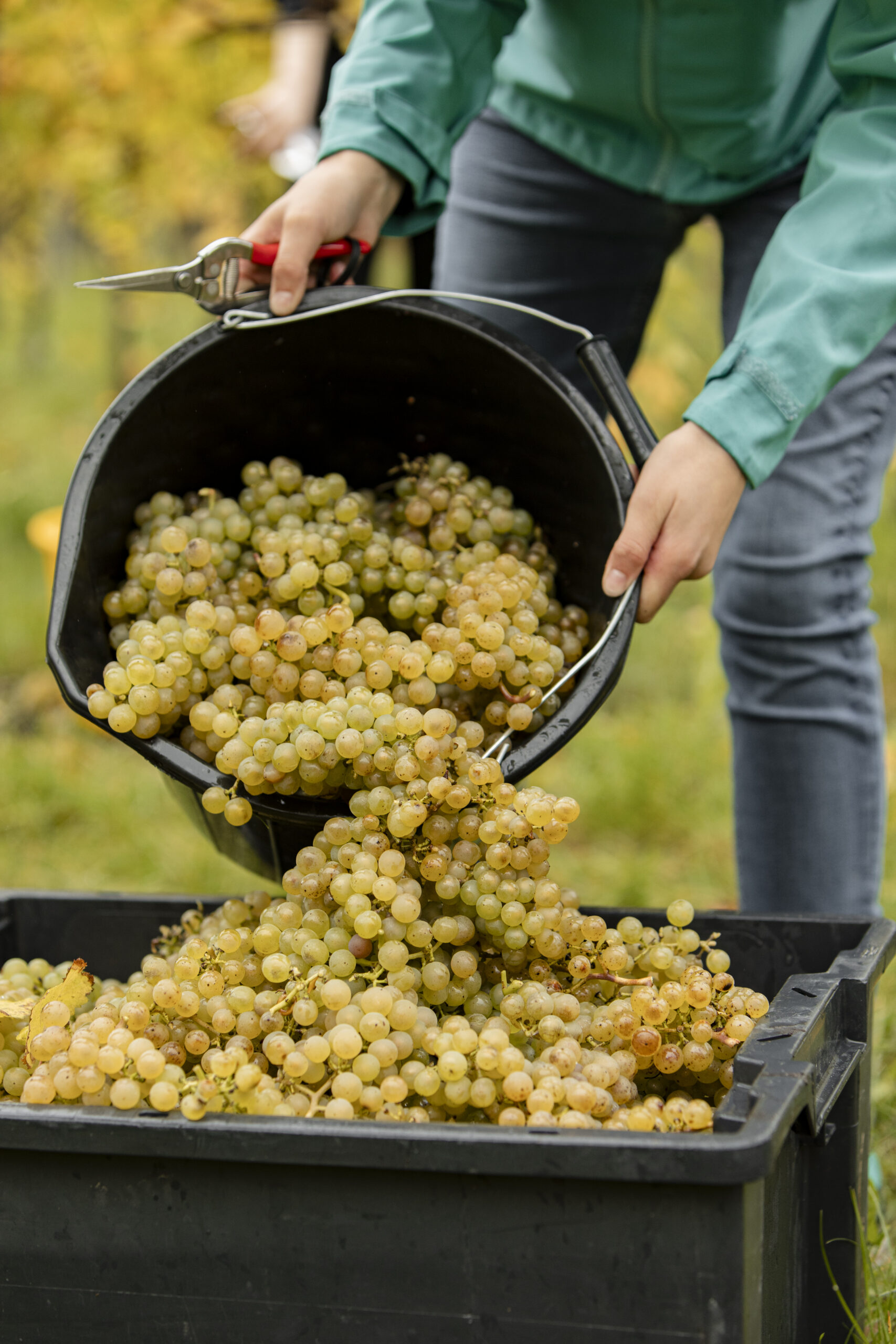
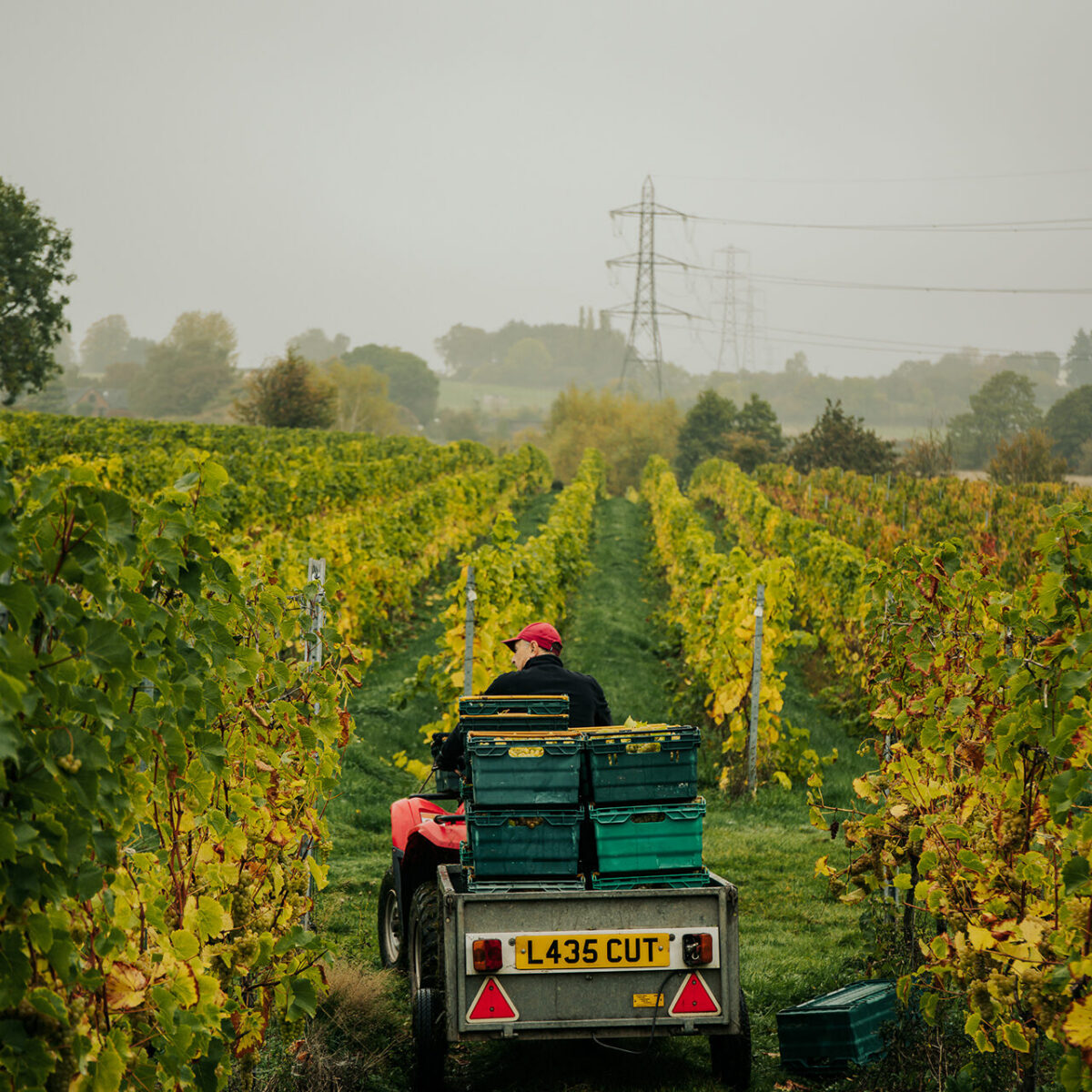
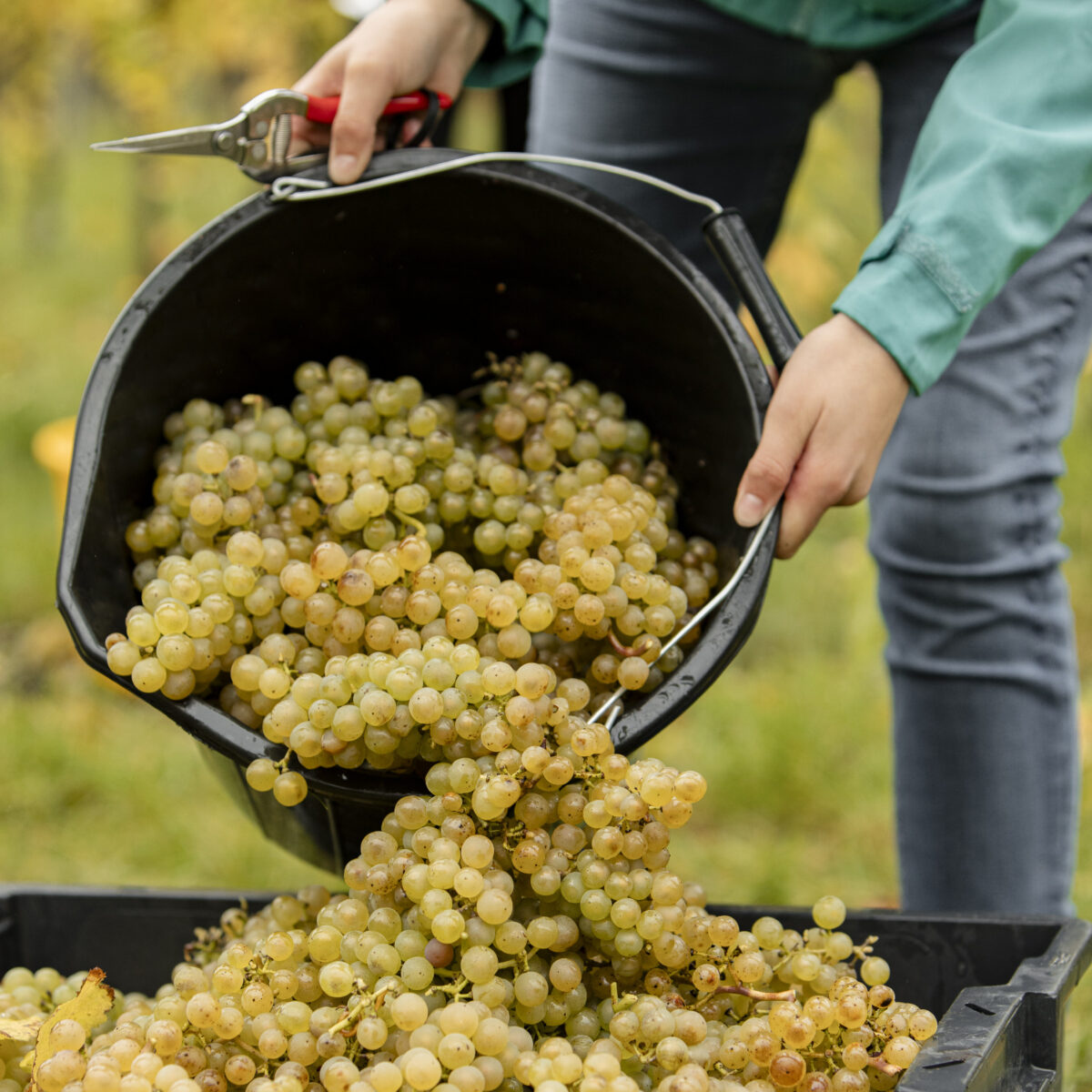
- The Reality: Grapevines are woody, perennial plants that naturally sequester carbon from the atmosphere through photosynthesis, locking it away in the wood, roots, and cover crops.
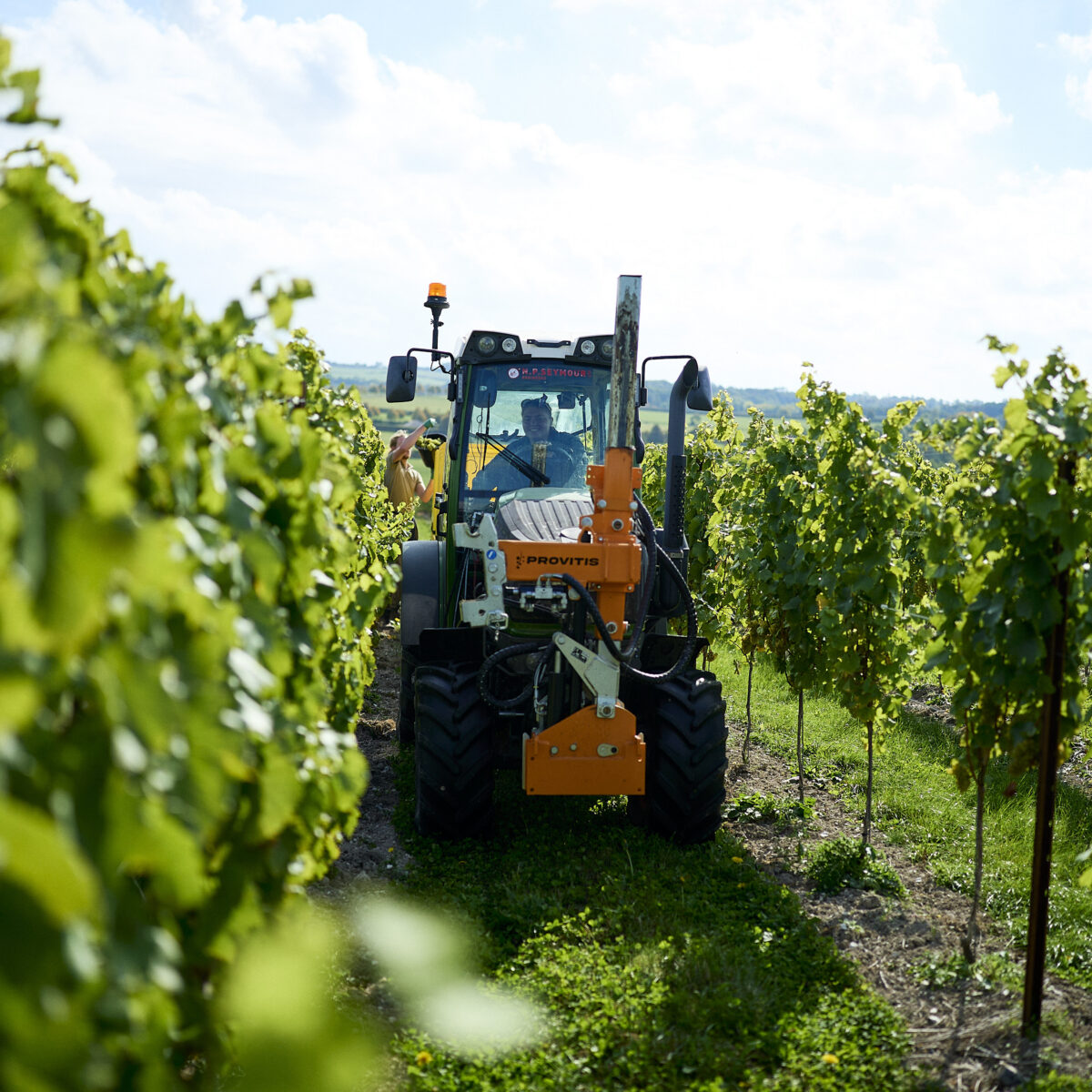
- When managed under regenerative viticulture models (incorporating “no-till” soil management, livestock grazing, and diverse cover crops) vineyards can act as powerful local carbon sinks rather than net emitters. The emissions that do exist from farming come strictly from external fossil fuel inputs (tractors, synthetic fertiliser manufacturing).
Myth 2: Electricity use in winemaking is the largest footprint driver
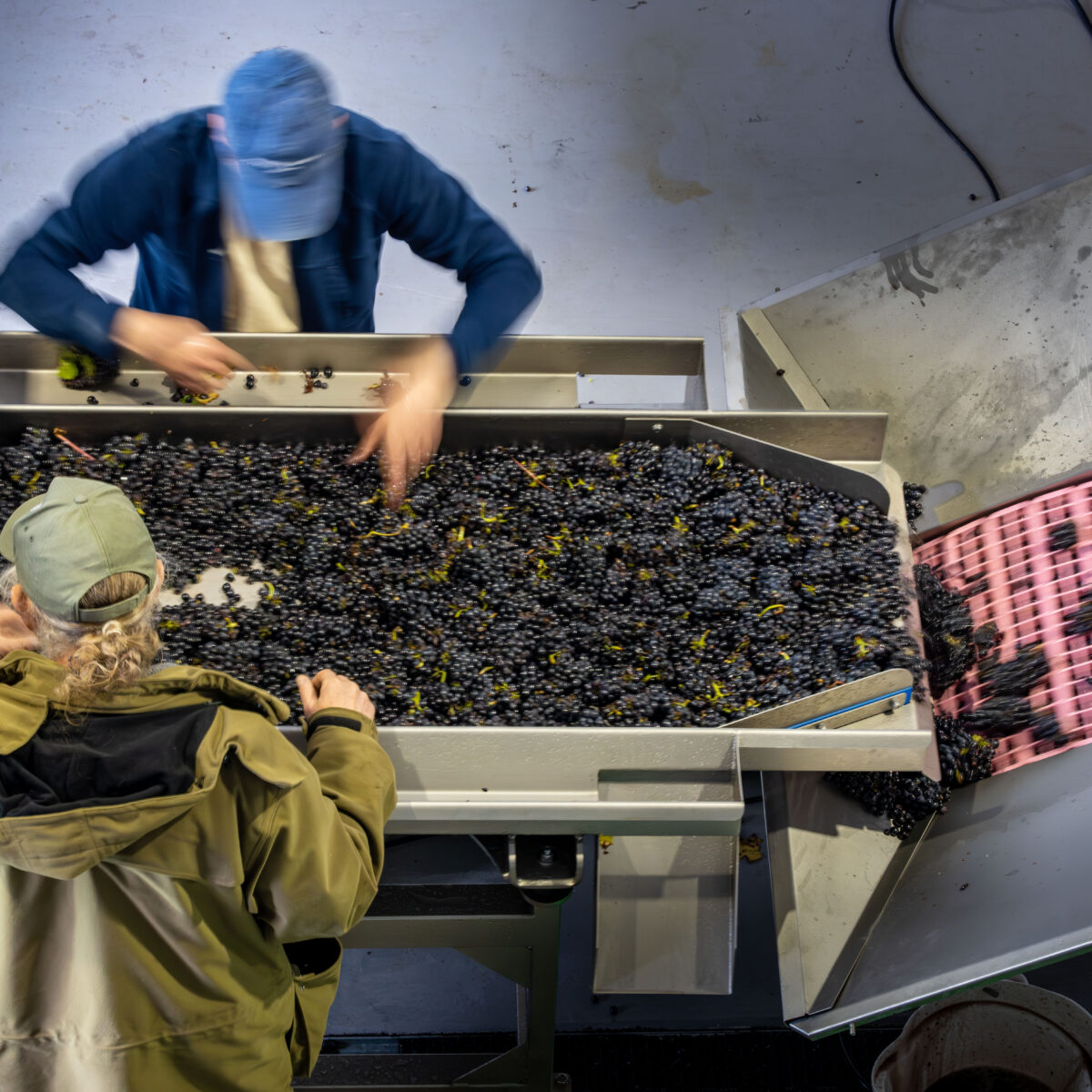
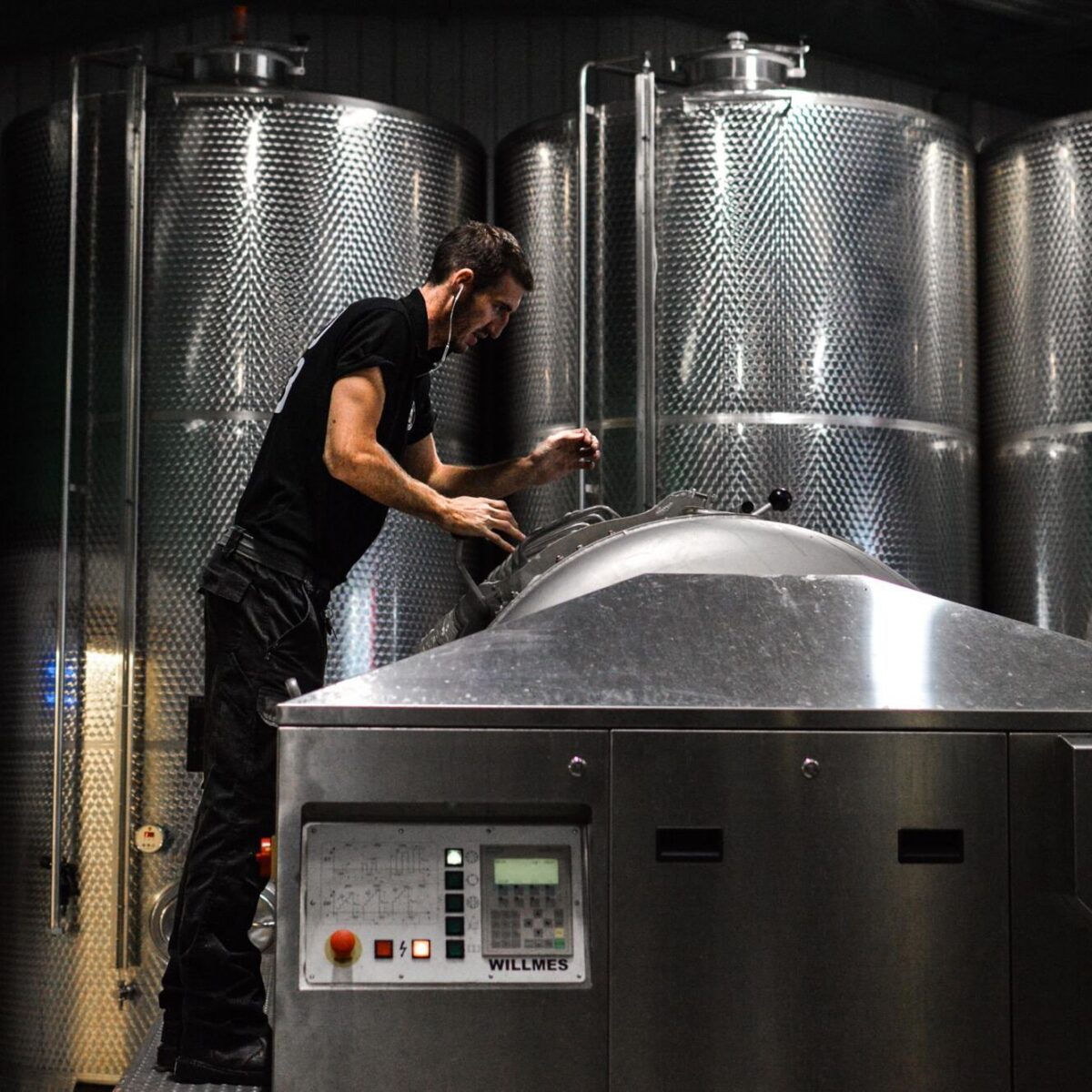
People often assume that heavy machinery like grape crushers, destemmers, and sorting tables are massive carbon emitters.
- The Reality: The actual winemaking process typically accounts for a minor fraction (only about 10% to 23%) of a bottle’s total lifecycle footprint.
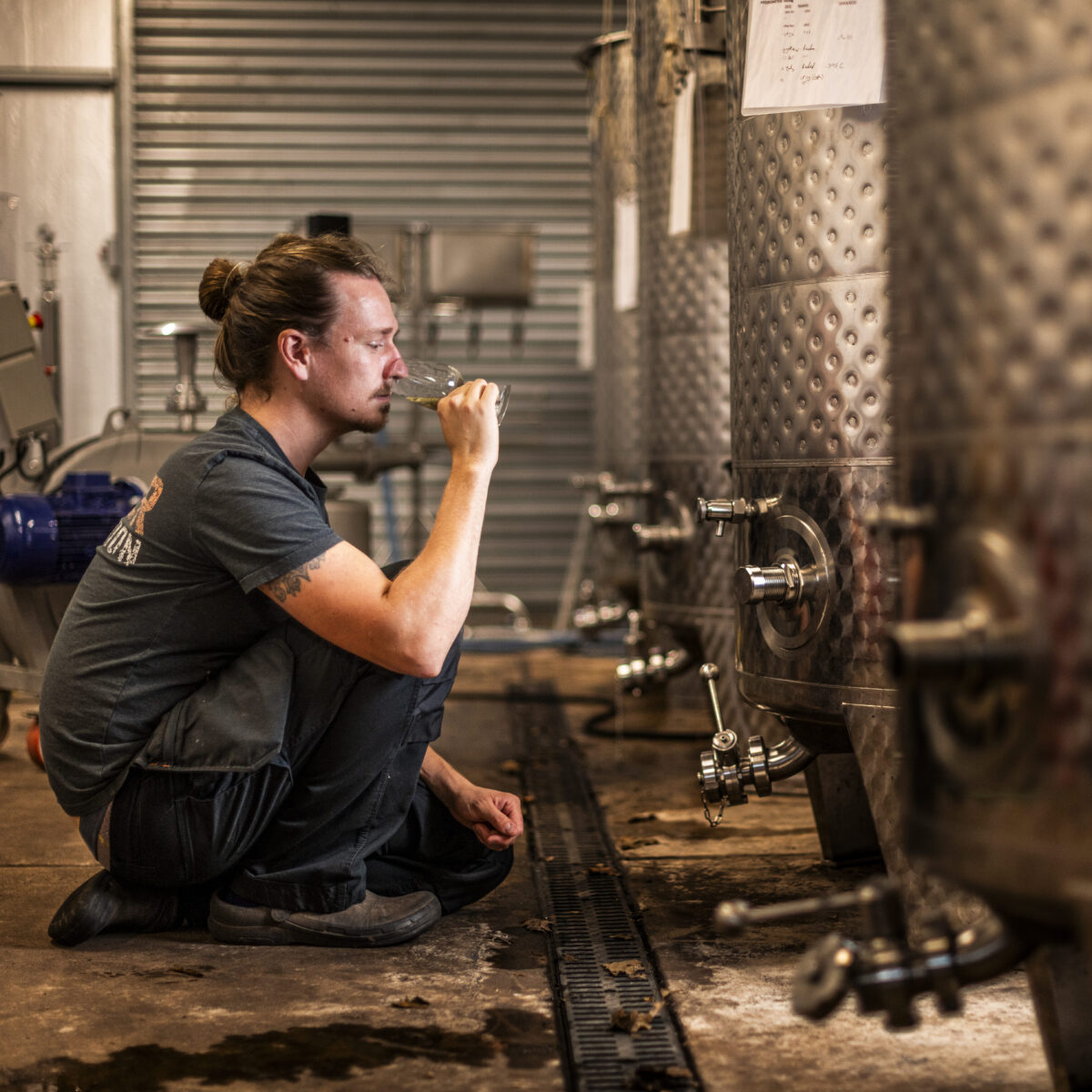
- Within the winery, the year-round refrigeration and temperature-controlled storage required to keep wine stable are much larger drivers to high carbon footprints.
Myth 3: Glass is the most sustainable package because it’s endlessly recyclable
Consumers overwhelming prefer heavy glass bottles, equating the weight of the glass with premium quality and eco-friendliness because glass can be recycled.
- The Reality: Glass is the single greatest carbon contributor in the entire wine lifecycle, making up roughly 30% to 50% of a wine’s total emissions.
- Glass furnaces require immense energy and burn fossil fuels at temperatures over 1,500°C. Furthermore, transporting heavy, fragile glass around the world requires substantial fuel.
- Switching from heavy glass to lightweight glass or alternative formats like paper bottles, cans, or pouches reduces a wine’s packaging carbon footprint by up to 60-84%.