Sustainability Month: Climate change and it’s impact on dormancy.
How are more extreme weather patterns affecting vines, especially during dormancy?
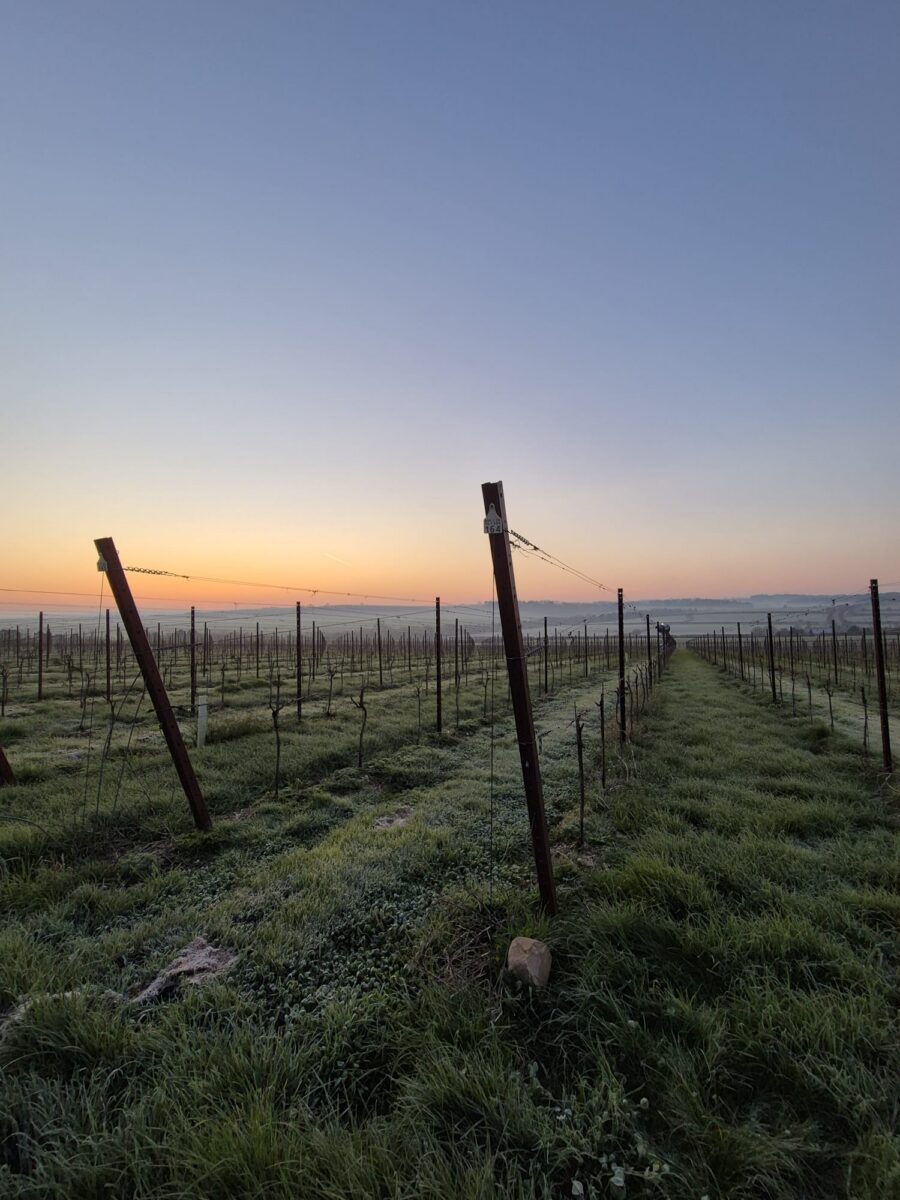
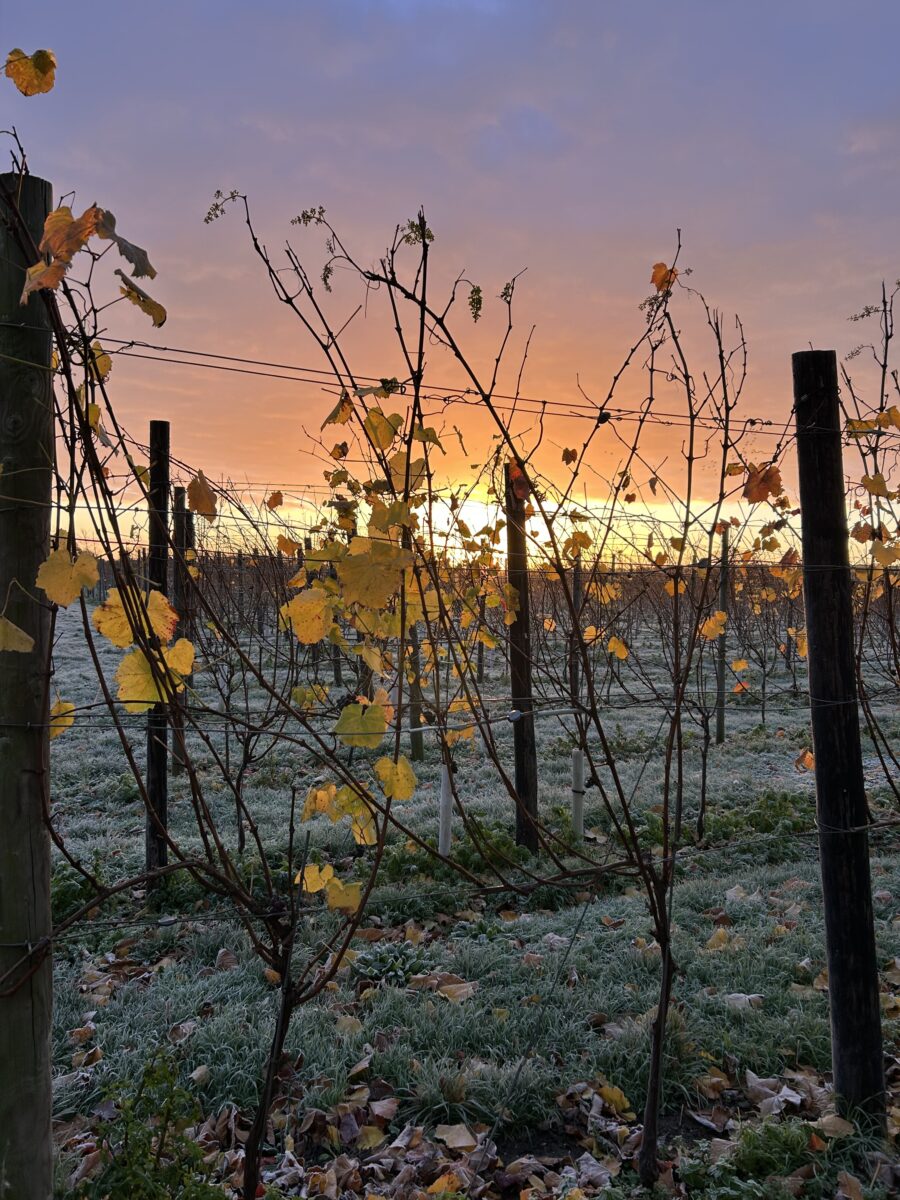
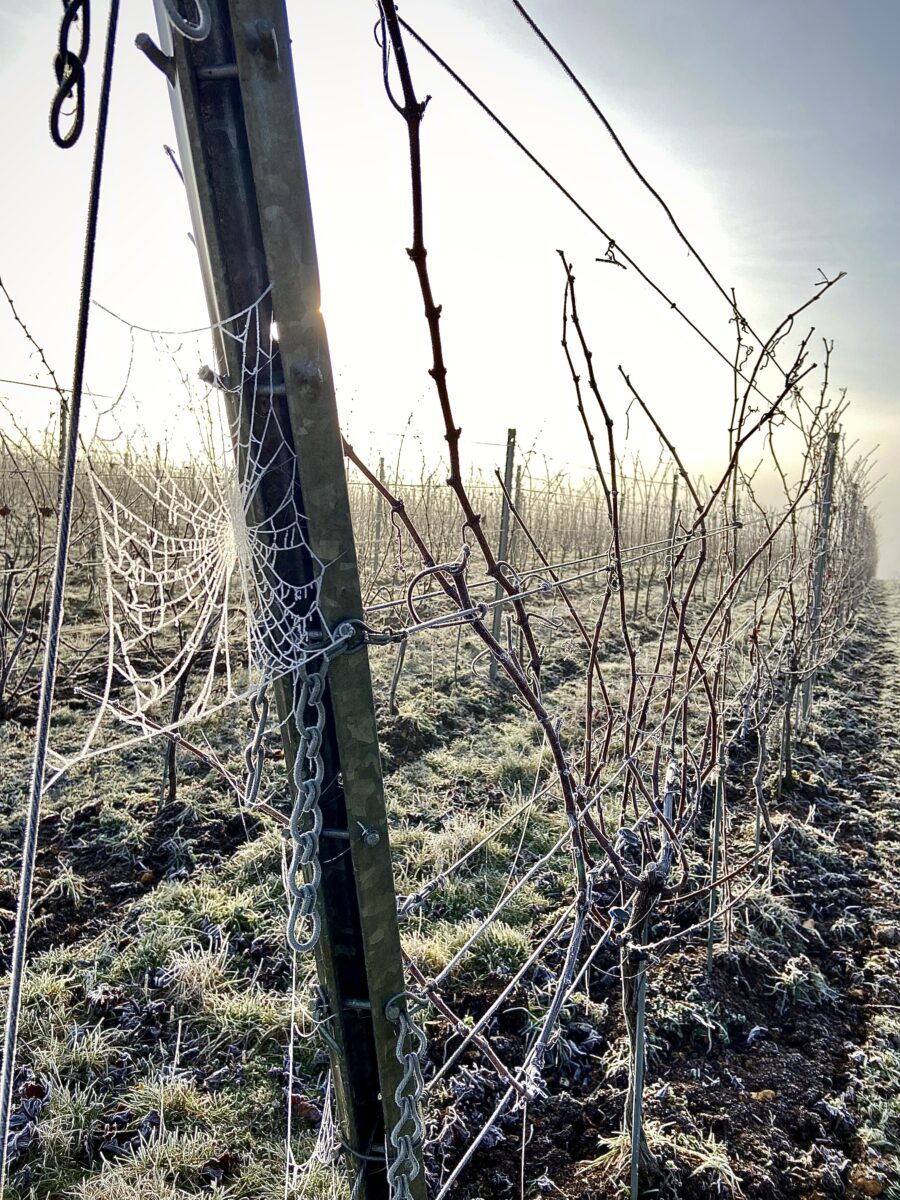
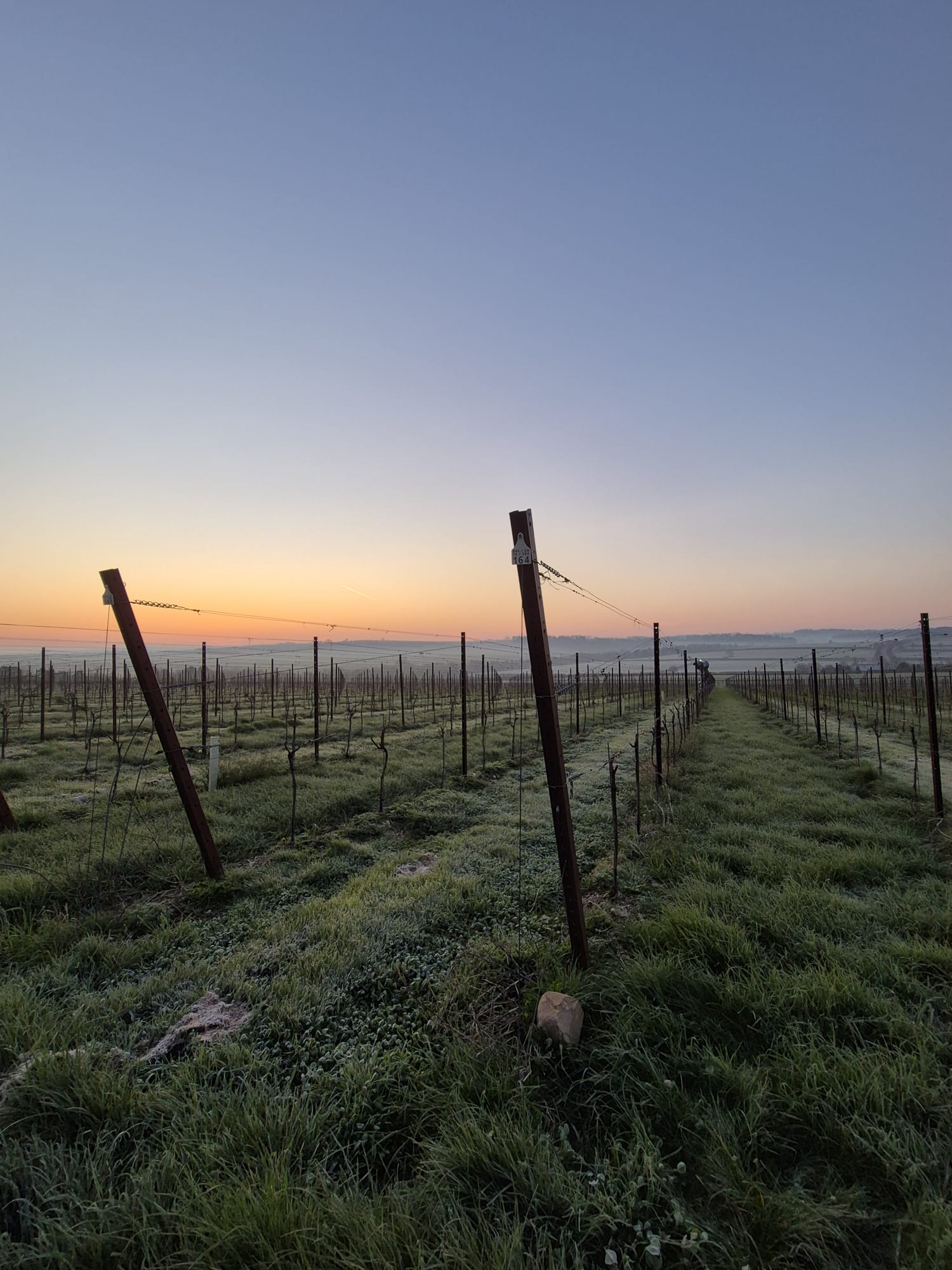
Grapevines enter dormancy in late autumn (after leaves have fallen). During winter, vines need a period of cold temperatures to fully rest, conserve energy and prepare for the next growing season. Dormancy also helps protect buds from winter damage.
As UK winters become milder, vines are experiencing:
- Shorter periods of dormancy because temperatures stay warmer for longer.
- Earlier budburst in spring as vines respond to warmer conditions sooner.
- Earlier progression through growth stages including flowering, veraison and harvest.
- Reduced chilling accumulation, which can affect how uniformly buds break and shoots develop.
Changes to dormancy and the timing of vine development can have implications throughout the growing season, including:
- Greater frost exposure – If frost follows an early budburst, significant crop losses can result.
- Uneven growth – Insufficient winter chilling can sometimes lead to less uniform budburst and shoot development.
- Increased disease and pest pressure – Milder winters allow some pests and pathogens to survive in greater numbers.
- Higher vine stress – Earlier growth can increase water demand and expose vines to heat or drought stress later in the season.
Dormancy is closely linked to seasonal temperature patterns. As climate change alters winter conditions, growers may see shifts in dormancy duration, budburst timing and subsequent vine development. Monitoring these changes can help inform management decisions and support long-term vineyard resilience.