
Celebrating Great British Rosé Week
There’s no better time to explore one of the UK’s fastest-growing and most exciting wine styles. To celebrate Great British Rosé Week, we’ve been speaking with English and Welsh producers to uncover what’s driving the category forward.
Rosé might feel like a modern summer staple, but its origins stretch back thousands of years. In ancient Greece and across the Mediterranean, early winemaking techniques produced pale red wines that closely resemble today’s rosés. It is not a blend of red and white, rosé is made from red grapes; either gently pressed for a delicate blush, or left briefly on skins to develop deeper colour and flavour.
In the UK, rosé, often made from Pinot Noir and Pinot Meunier, makes up around 25% of all still wine produced. Its flavours are broad: juicy strawberry and citrus through to softer floral and herbal notes, making it one of the most versatile wines and favoured for summer drinking.
What’s changing most dramatically, though, is the confidence in British rosé. As Tom Cannon of Folc explains, there’s a growing sense of opportunity: the UK imports vast amounts of rosé, yet produces relatively little of its own. He notes that while Provence has long set the benchmark, English producers are beginning to embrace their own style defined by “freshness, elegance and energy,” with a cooler, more refined expression that stands on its own.
That individuality is echoed by Tilly from Radlow Hundred, who sees rosé as a natural fit for their approach to winemaking. She describes it as a wine rooted in enjoyment and versatility, equally at home in a relaxed garden setting or a celebratory moment. For them, the focus is on preserving freshness, bright fruit, and balance, creating a wine that pairs effortlessly with seasonal dishes and is “even better shared.”

At The Dell Vineyard, rosé also tells a story of resilience. After a difficult first harvest, their comeback wine became a customer favourite, even earning awards. Their experience reflects a broader shift in perception: once dismissed as overly sweet, rosé is now appreciated for its diversity and quality. They highlight today’s British rosé scene as vibrant and varied, with styles that are fruity, floral, and refreshingly dry.
Precision is key for producers like Alison at Albourne Estate, who emphasises the importance of achieving the palest pink hue alongside a fresh, balanced profile with enticing aromatics. This careful approach extends to their sparkling rosé, where shorter ageing helps retain its bright fruit character perfect for sunny days.
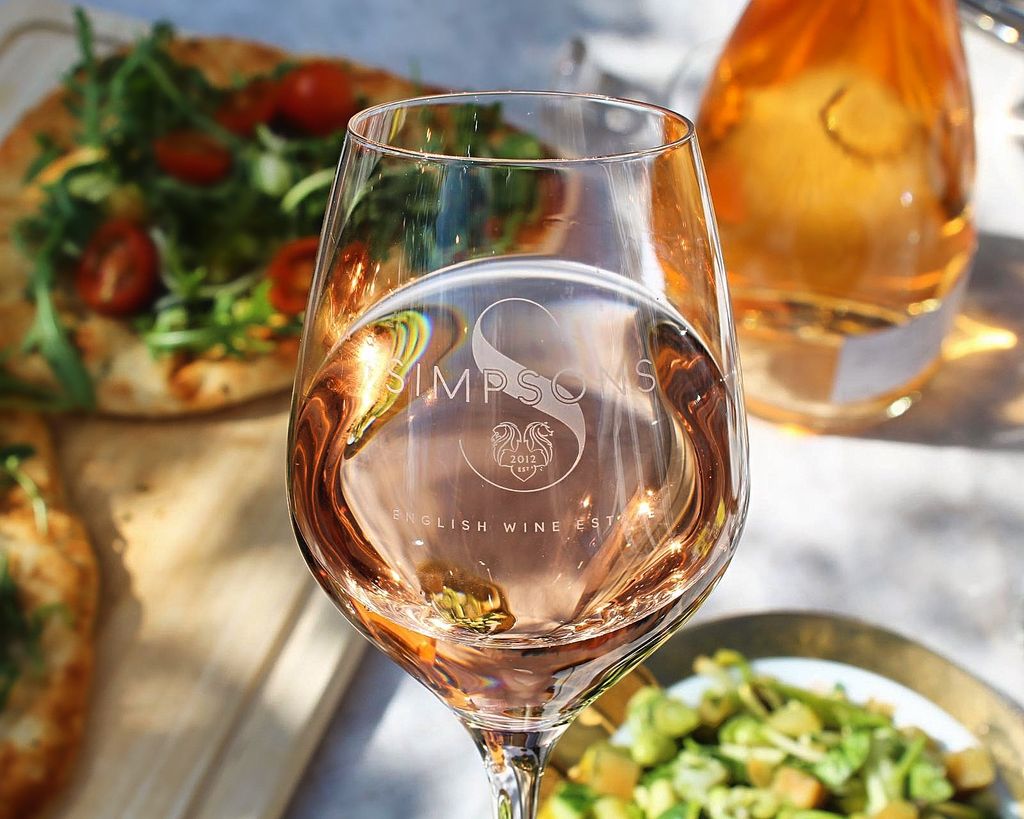
Similarly, Simpsons Wine Estate has found success with their Railway Hill Rosé, first produced from the standout 2018 vintage. Inspired by Provençal elegance yet distinctly English, it has become a flagship wine, even winning the ‘Best Still Rosé’ trophy at the 2024 WineGB Awards. Their focus on craftsmanship, alongside thoughtful touches like sustainable bottle design, highlights how innovation is shaping the category.
Looking ahead, there’s even more to be excited about, with a wave of new British rosés set to launch this summer. Among them is the Tidebrook 2023 Brut Rosé Sparkling Wine, debuting during English Wine Week as the first release in Mousehall’s new sparkling range. Inspired by their East Sussex estate “The Tidebrook sparkling wine range is inspired by three trees found at medieval Mousehall in East Sussex – the Beech, Oak, and Yew. Each distinct, each deeply symbolic, and each reflected in the style of wine.”
It’s an exciting glimpse of what’s to come this summer, and a reminder that British rosé continues surprise and uniquely represent England and Wales.
Check out our vineyard map to find your local producers and see if they stock a rosé to celebrate Great British Rosé Week.