Celebrating Sauvignon Blanc Day: A Look at One of the World’s Most Characterful Grapes
Happy International Sauvignon Blanc Day! To celebrate, we spoke to some of England’s Sauvignon Blanc growers and winemakers.
Sauvignon Blanc is known for its citrus brightness and typically creates citrus, green apple, and fresh grassy flavours. It has travelled far from its French origins and is now grown all over the world. Its name comes from sauvage meaning “wild”, a nod to the grape’s naturally vigorous character.
Today, this variety has found a surprising and increasingly successful home in Great Britain. Vineyards across the country are discovering just how expressive Sauvignon Blanc can be in a cooler climate. A number of WineGB members who are growing Sauvignon Blanc, we asked them what they think of this ‘wild’ grape, from growing it as a vine to working with the grape juice to create a delicious wine.
“For me, Sauvignon Blanc is one of the most exciting varieties for the future of English wine, it can deliver both ripeness and precision in a way that really suits our climate”
Fergus Elias, Head Winemaker at Balfour Winery in Kent
What Makes Sauvignon Blanc in Britain Stand Out?
We spoke to Fergus Elias, Head Winemaker at Balfour Winery (Kent) who had this to note about making Sauvignon Blanc in England:
- Sauvignon Blanc can absolutely ripen properly in the UK with the right site and management, we’re now seeing wines with real weight and generosity of fruit.
- In good years, and increasingly more often, we’re getting genuine tropical character alongside the classic freshness, so things like passionfruit, ripe citrus and even stone fruit
- The long growing season here helps build flavour while still holding natural acidity, which gives balance rather than just sharpness
- Growers are understanding the variety much better now, particularly around canopy work and picking decisions, and the results have moved on hugely in the last decade
A Winemaker’s Perspective: Scepticism to Enthusiasm
Dom, Head of Viticulture and Winemaking at Abingworth Vineyard, Sussex, once questioned whether Sauvignon Blanc could truly thrive here. Three seasons later, his view has changed completely.
He describes the variety as a joy to work with: neatly growing, forming a strong canopy, and responding well to attentive vineyard care. Success, he says, comes down to detail: floor management, canopy work, timely leaf stripping, and giving the vines extra support early in the season.
That approach has paid off with two excellent crops, even in the challenging 2024 vintage.
- In cooler years, the style leans toward the fresh, herbaceous profile associated with New Zealand.
- In warmer years, the wines show greater depth and complexity, reminiscent of renowned French regions like Sancerre and Pouilly-Fumé.
- In the winery, a mix of vessels (including concrete eggs) helps build natural texture and nuance.
Dom firmly believes high‑quality Sussex Sauvignon Blanc has the potential to stand alongside some of the best examples internationally!
“Sauvignon Blanc from England offers a fresh alternative to the style people usually associate with the grape. It brings something distinctly different… an exciting new direction for Sauvignon Blanc fans, and a worthwhile option even for those who don’t typically enjoy it from other regions”
Chris Haywood, Head Winemaker at Astley Vineyard in Worcestershire
If you’ve not tried an English Sauvignon Blanc yet, today is the day!
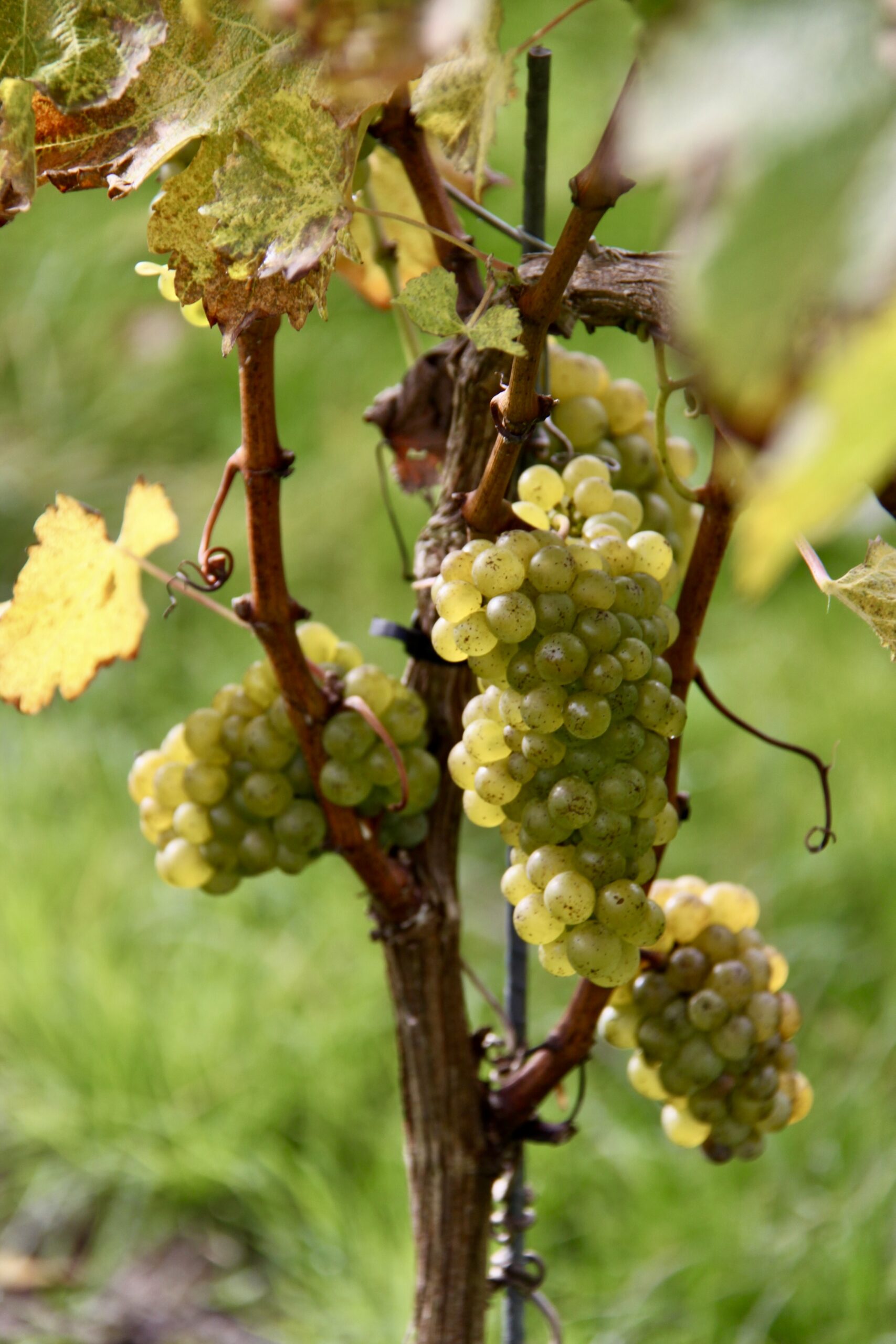
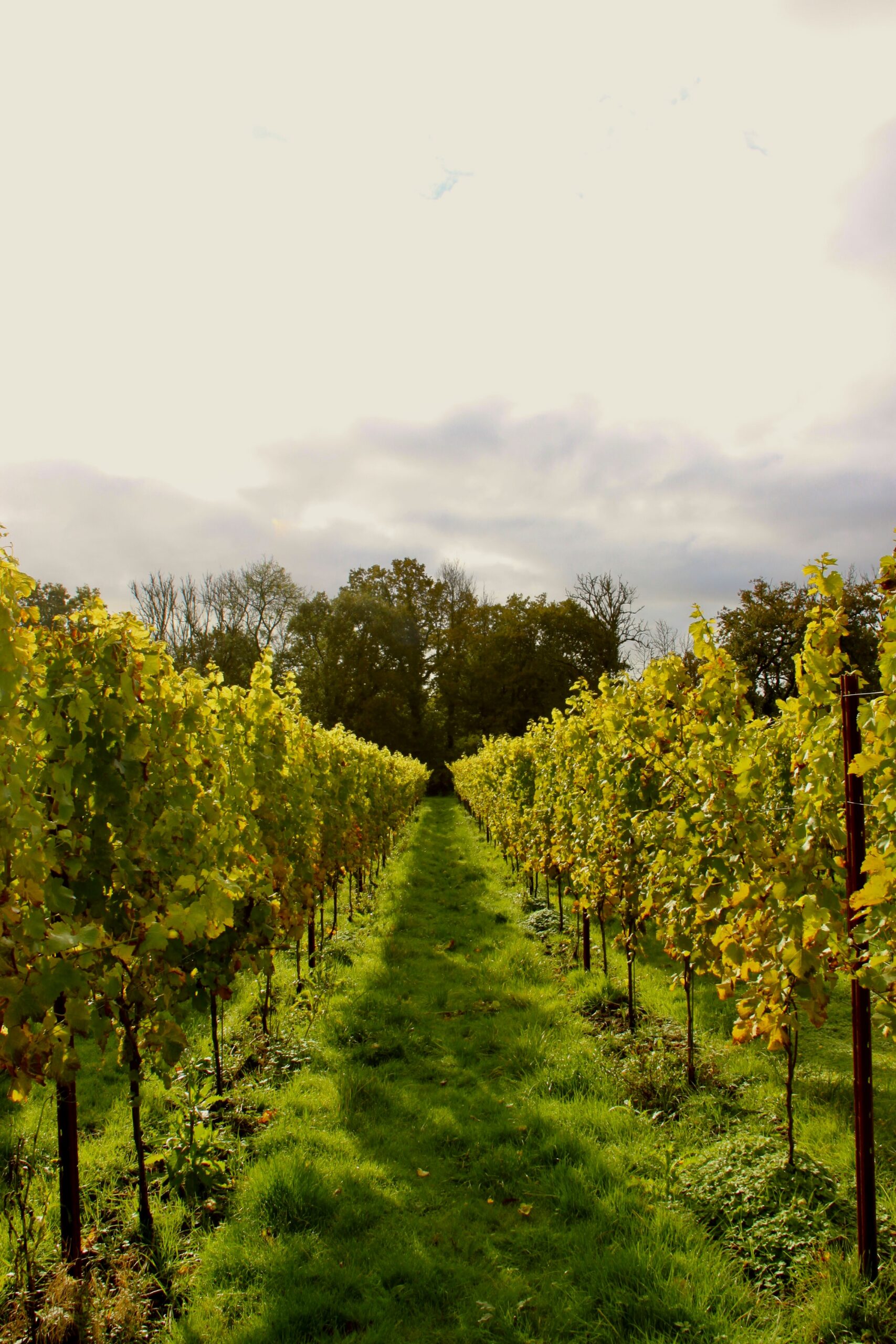
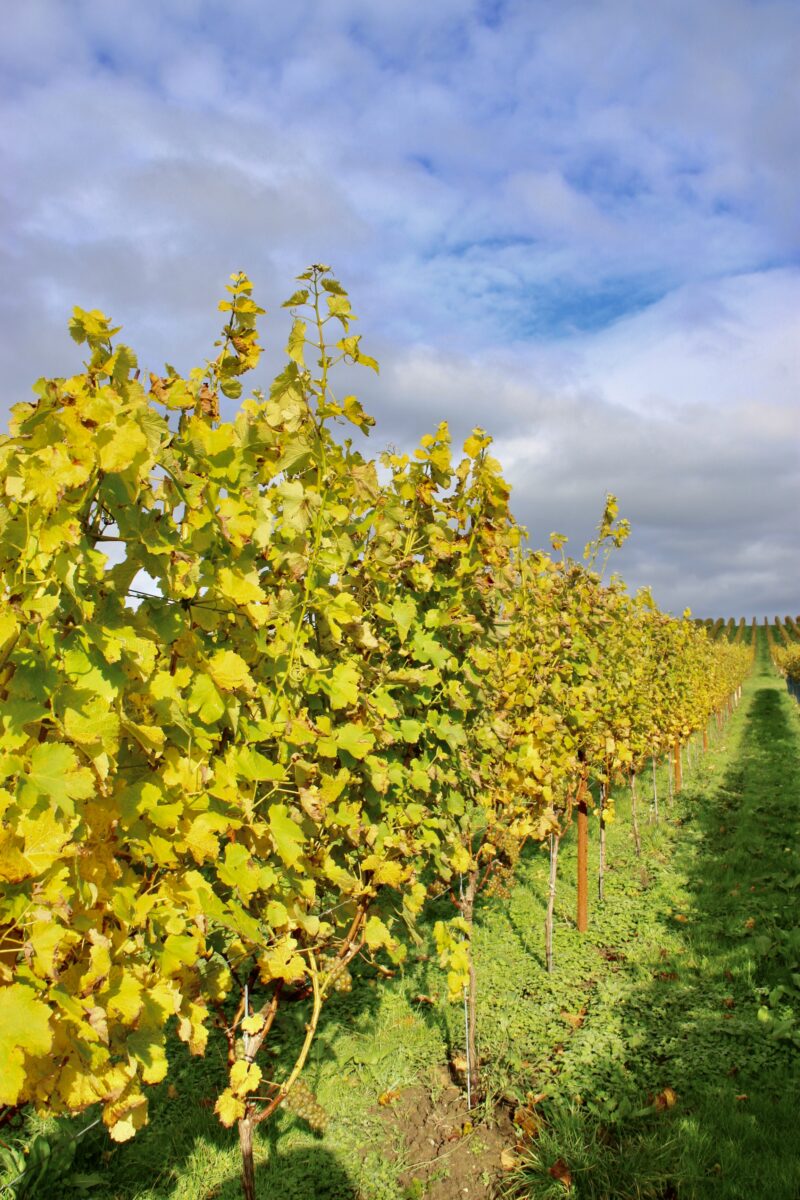
All images of Sauvignon Blanc courtesy of Abingworth Vineyard.