The microbiome of Lark Vineyard
Thoughts from Lark Vineyard by Andrew Davies
One of the pleasures of working in the vineyard is listening to podcasts. I found Fritz Westover’s recent podcast : “How vineyard decisions impact the wine microbiome” on Vineyard Underground particularly interesting. My first takeaway, among several: The microbiome terroir of the vine can affect the early part of fermentation and change the organoleptic properties of the wine, before the yeast takes over.
Definition of ‘microbiome’:
A dynamic ecosystem of trillions of microscopic organisms and their genes coexisting in a defined habitat
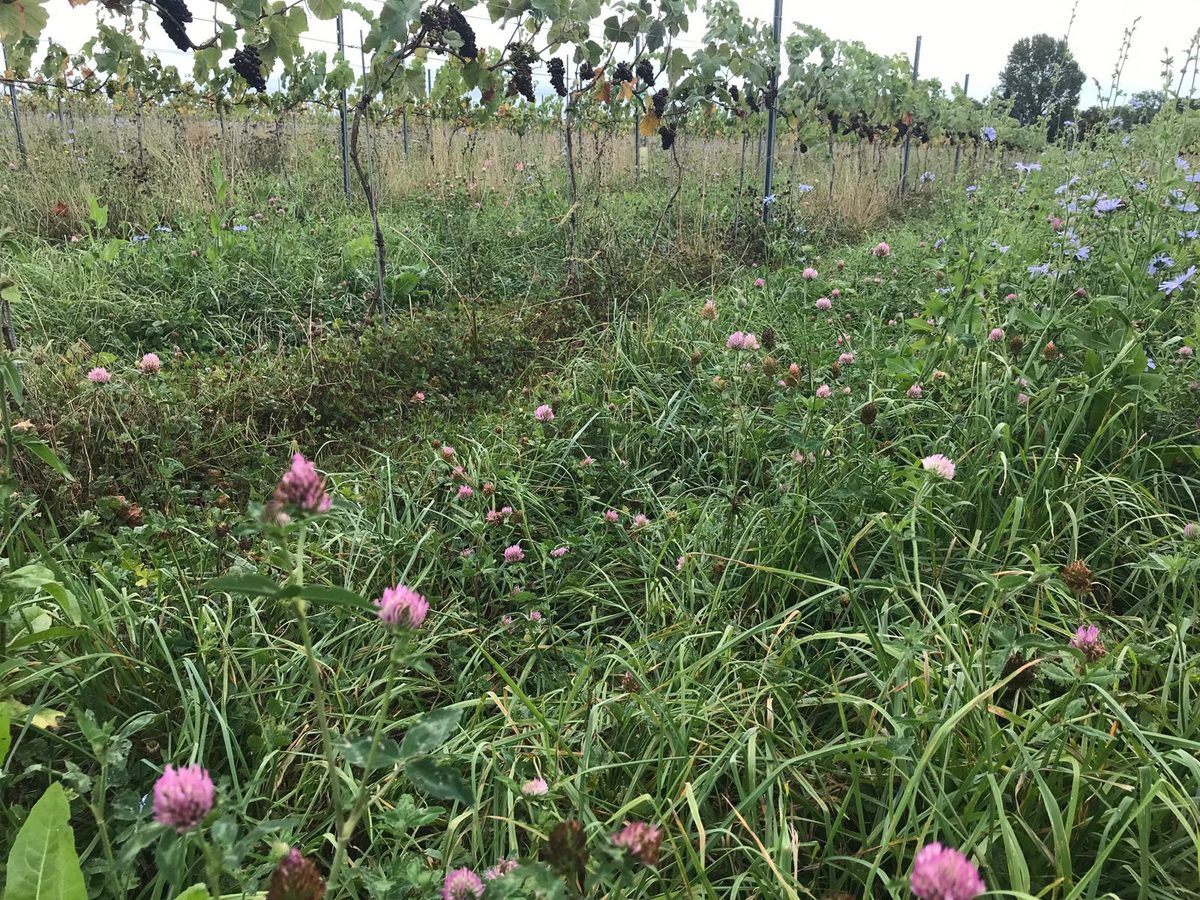
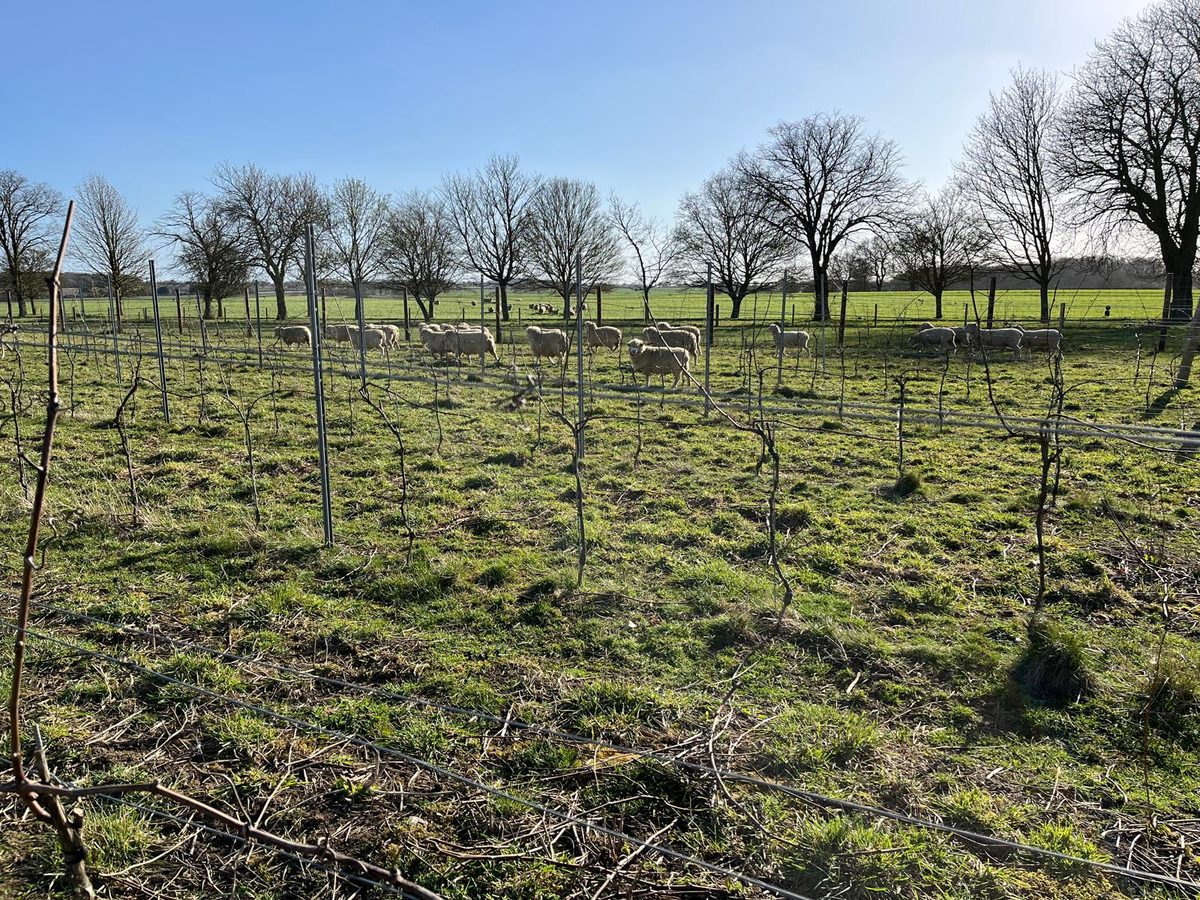
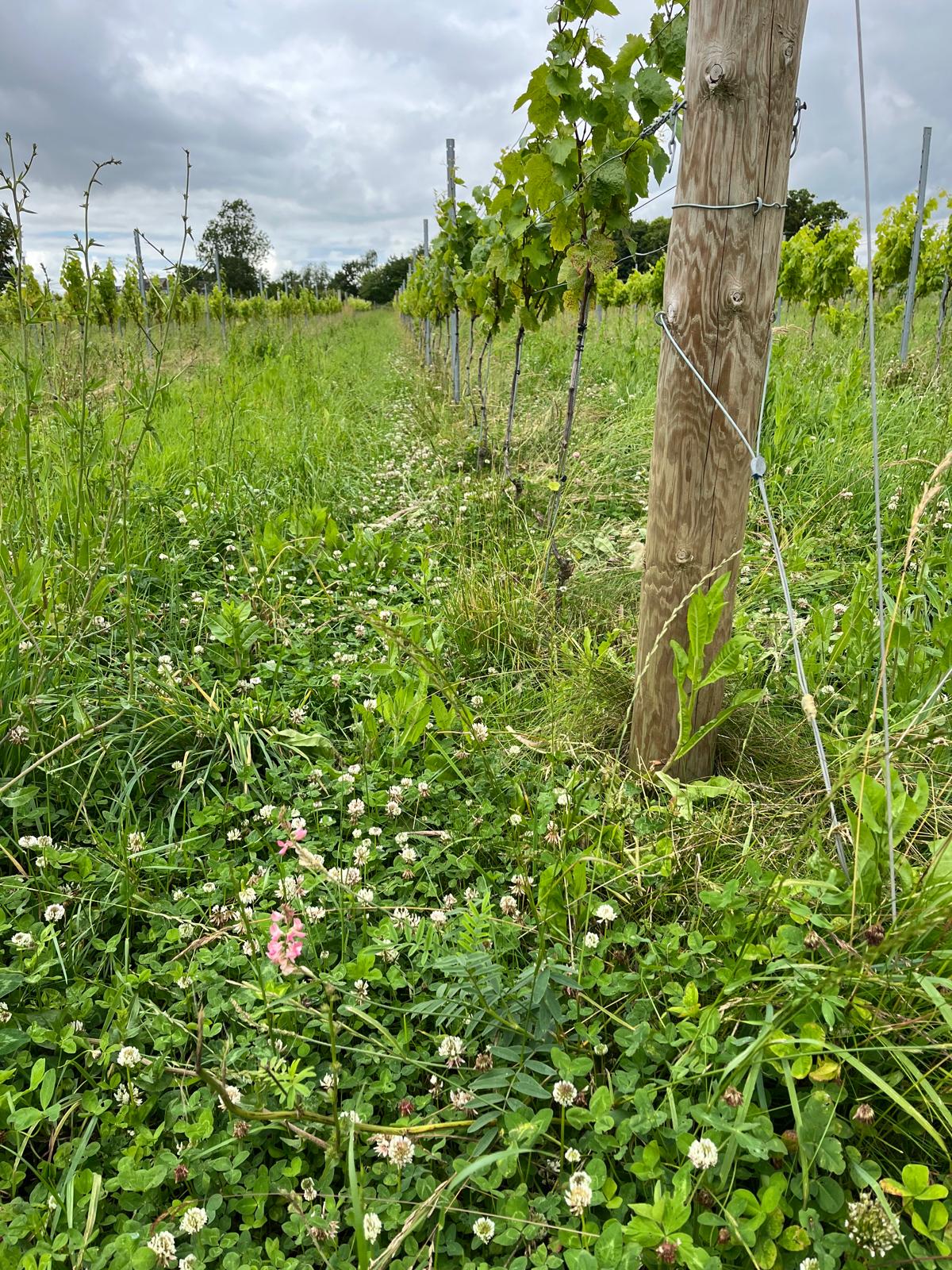
There is much to learn on the microbiome. Herbicides can affect the soil microbiome, perhaps for several years. We don’t use herbicides, insecticides or artificial fertilisers in our vineyard. Nor do we cultivate. We keep a permanent green cover mix of grasses, flowering plants & legumes, adding vine food and sheep food!
This season has had its ups & downs, with an air frost and fog the morning of 24th April delivering ice on the vines even before I was out with the Frostbuster. The whole vineyard was wiped out. But what recovery! 1150 Growing Degree Days between then & 27th September, when we completed harvest. Not a big crop, though big differences between varieties. Ortega recovered best, Auxerrois the worst. The hot dry summer allowed us to minimise fungicides. We use Aureobasidium to control botrytis. As that doesn’t mix with sulphur, no sulphur has been used since June. A blessing. The natural yeasts have responded to this environment and our 2026 fermentations have been vigorous (we rely on natural yeast with no additions).
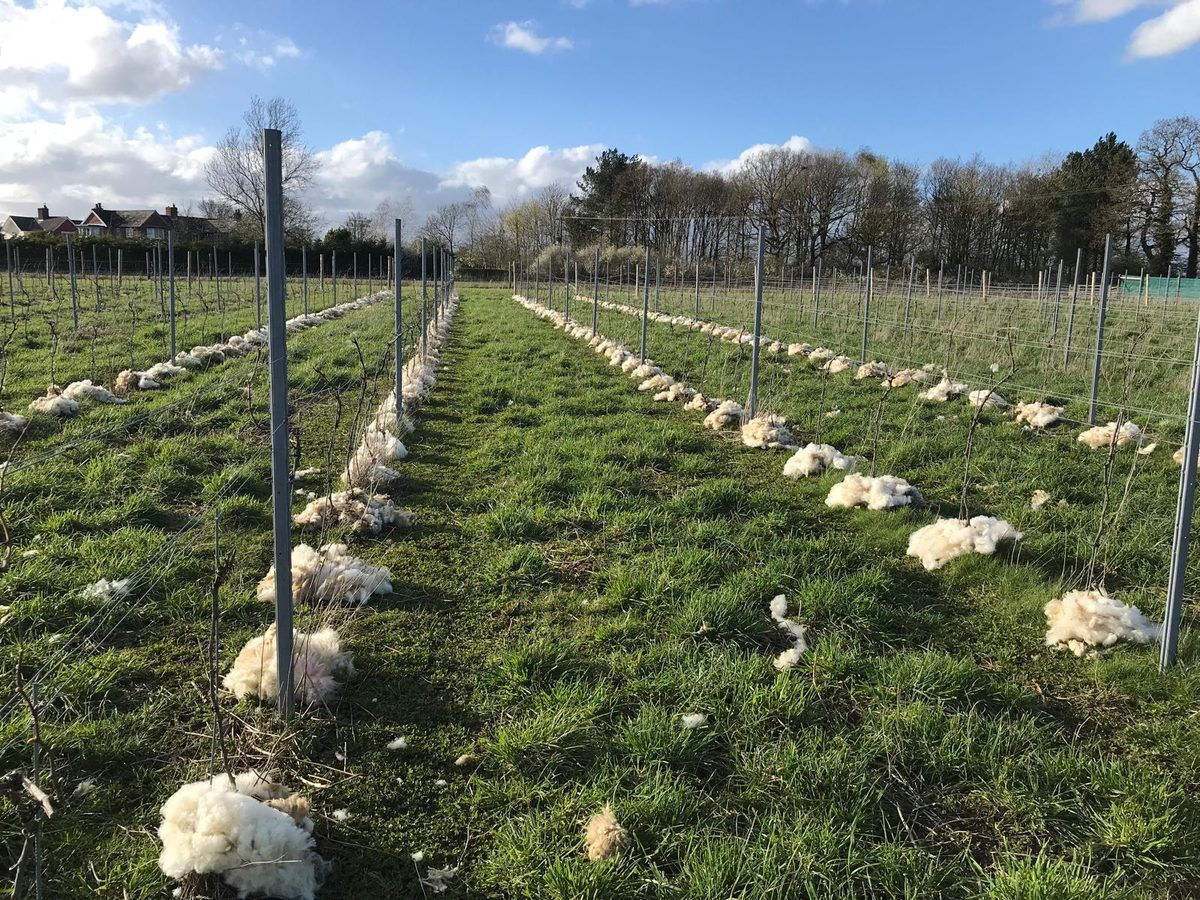
We’ve put wool as mulch round the base of the vines in previous years. It’s worth nothing to sell and is good for nitrogen. But leaf analysis at veraison, as recommended by Fritz, shows P and K are a little below recommended guidelines, so compost it is.
Back to the podcast. Listening in the autumn sunshine this afternoon, putting compost round the vines (our own, made from stems, skins etc from the winery, plus garden trimmings and kitchen waste, and mixed with some home made biochar) we may not call ourselves organic or biodynamic or any other description, but we enjoy what we are doing. Our second SWGB audit showed a worm count increase from 90 to over 600, and an organic matter increase making the vineyard carbon negative.
Maybe we are doing something right.
P.S. you can follow us on instagram @larkvineyard. Visit our new website larkvineyard.co.uk