English Wine Week – WineGB on the Road:
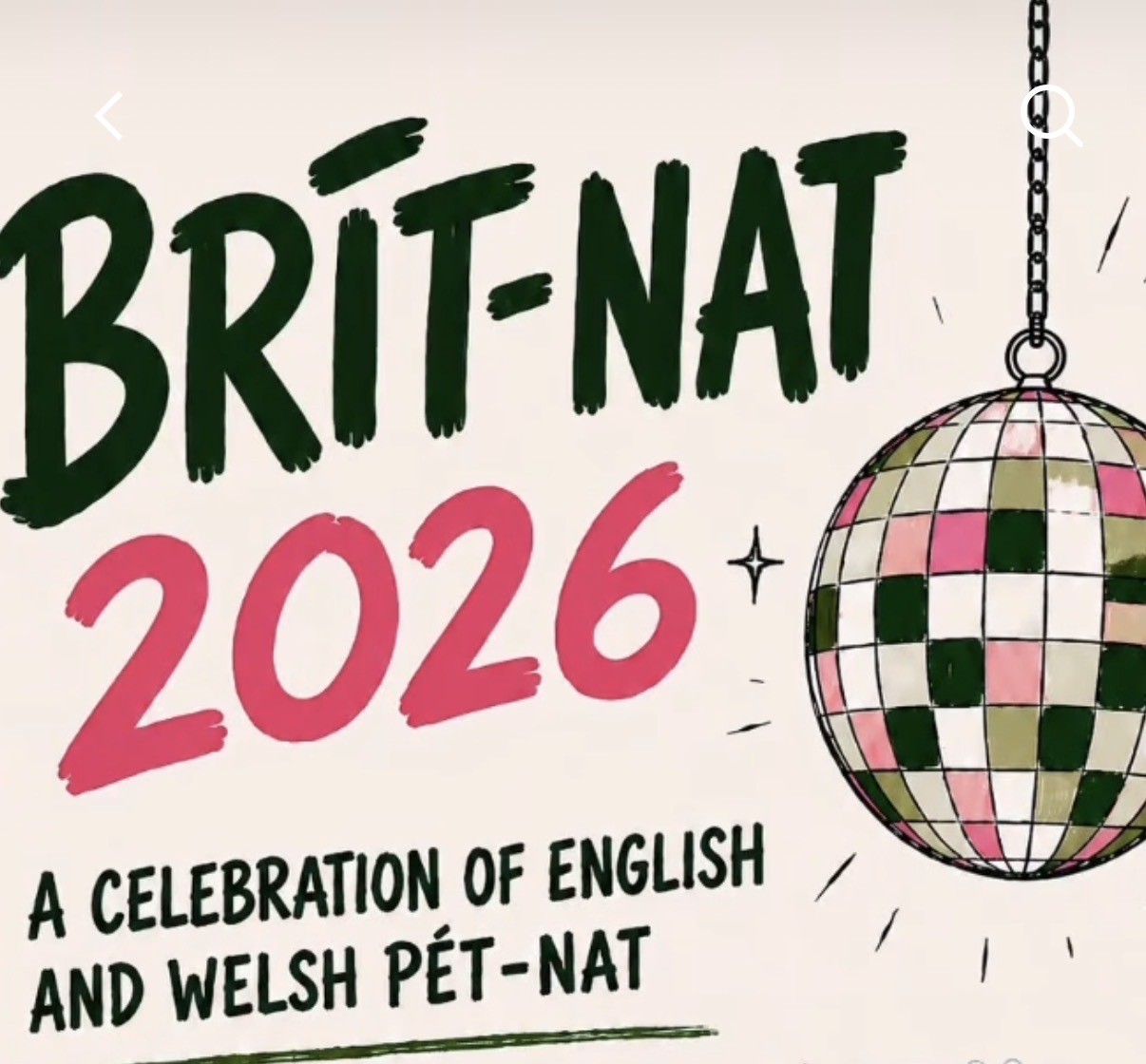
BRit-Nat 2026
Attended by the WineGB Knowledge Manager, Gillian Jordan
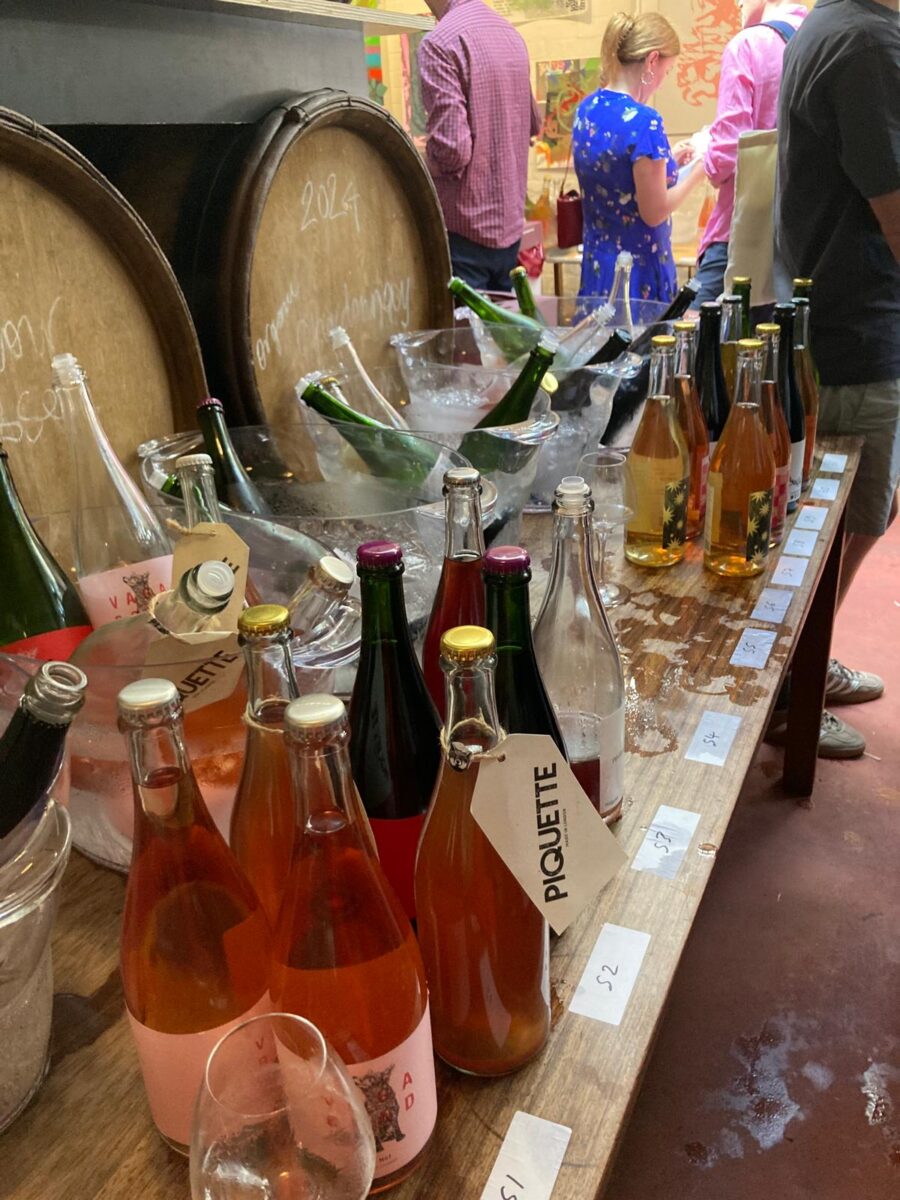
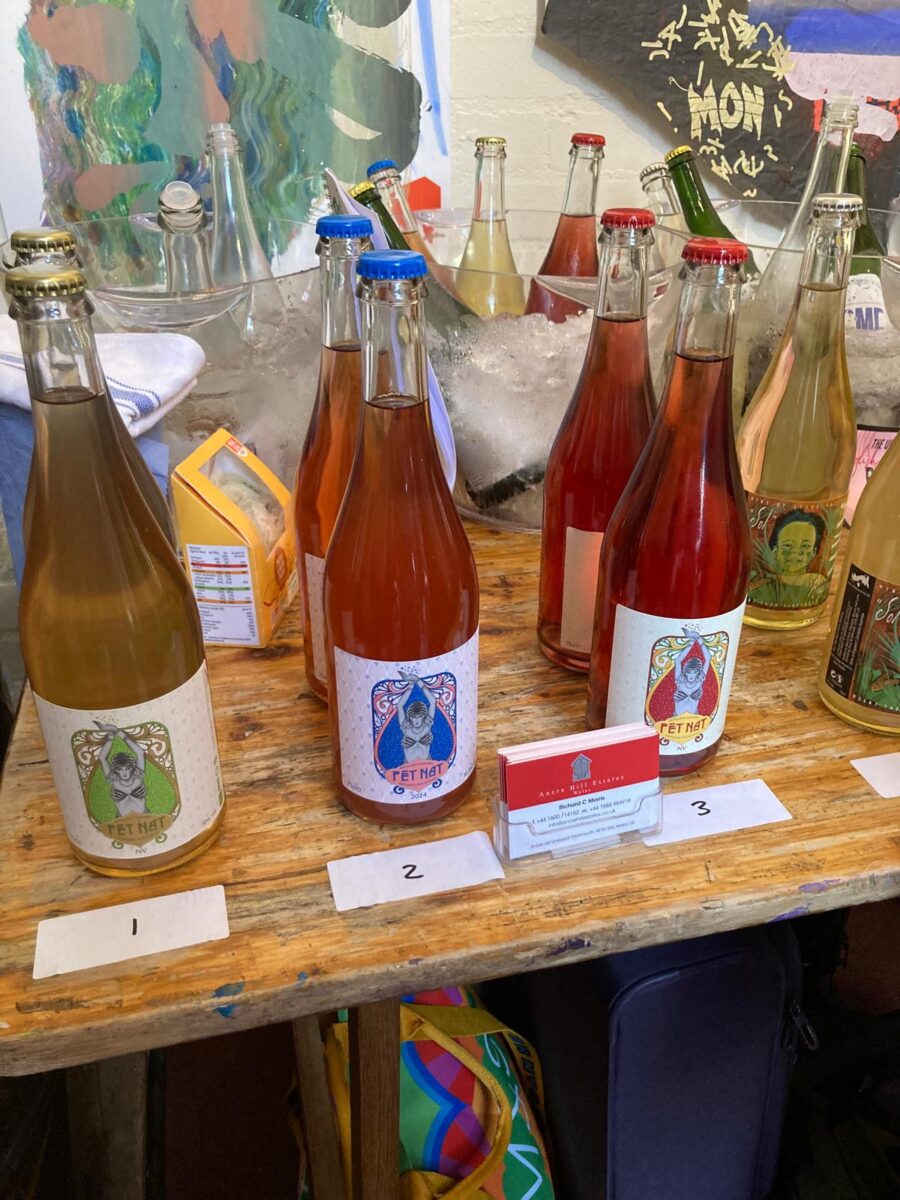
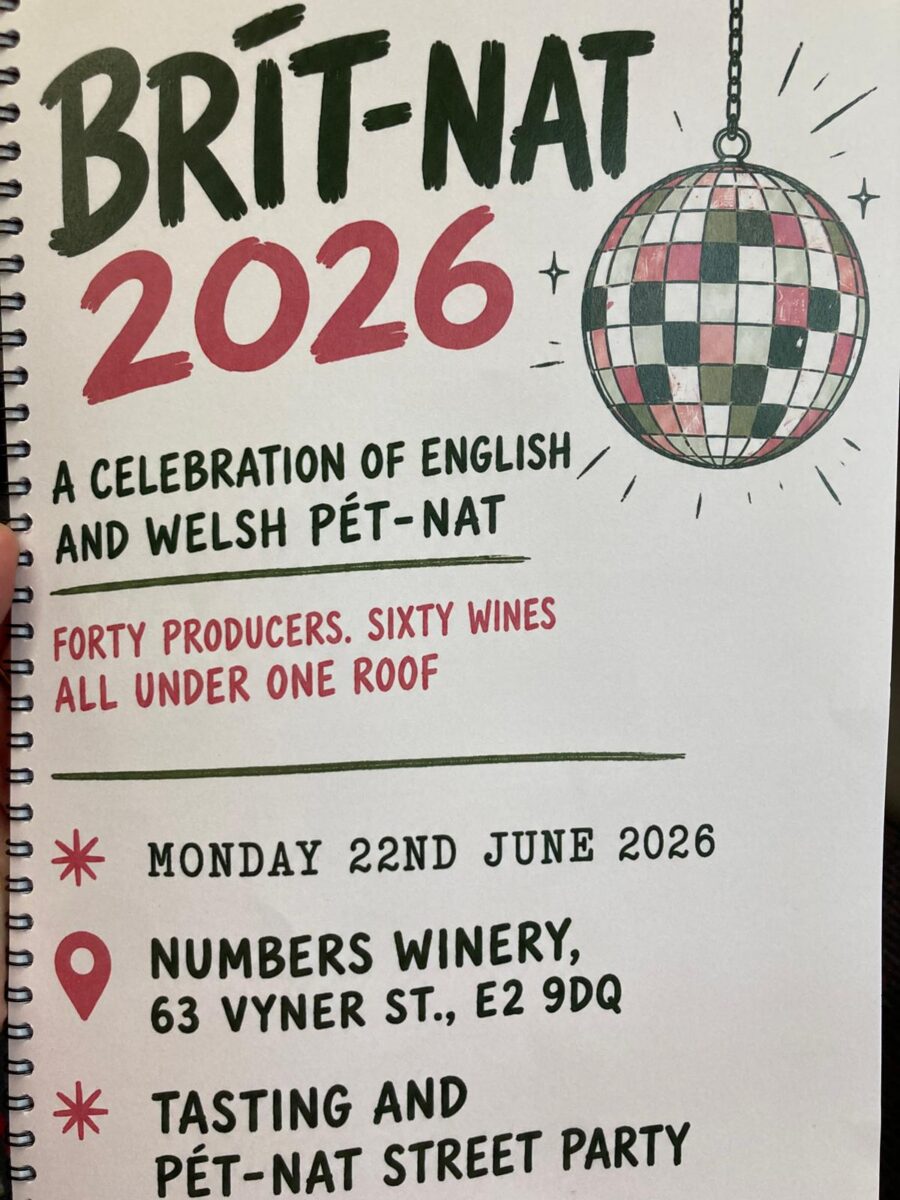
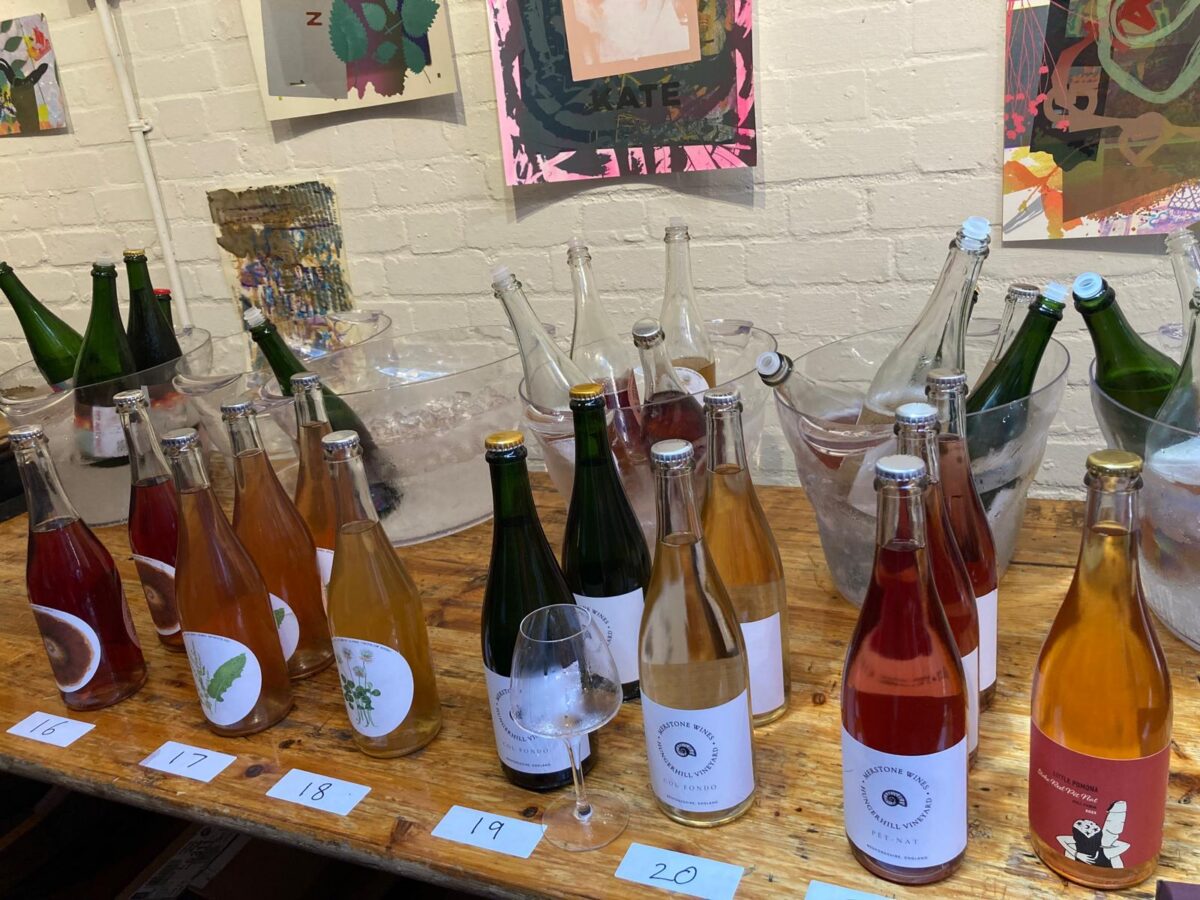
A celebration of English and Welsh Pet-Nat, organised by Tim Wildman, MW, The Numbers Winery and Les Caves de Pyrene was held at the East London Numbers Winery. A small space with an esoteric purpose, to showcase 40 producers and 60 wines making Pet-Nat, Col Fondo and alternative styles such as Piquette and Pet-Not. Tim estimates that there are around 55 pet-nat producers in England and Wales.
Understanding pet-nat
Petillant Naturel – colloquially known as Pet‑Nat – is one of the oldest sparkling wine styles, and its production in the UK is evolving quickly. Two main methods were highlighted at the tasting:
- Interruption Method – Also known as Méthode Ancestrale, this traditional French approach involves bottling the wine before fermentation has finished. The wine may later be disgorged, though many producers choose to leave it undisgorged for a naturally hazy appearance.
- Intermission Method – A more modern technique using a single vintage. Fresh second‑pick or frozen first‑pick juice, concentrated grape juice, sugar, or honey is added to the base wine to initiate a second primary fermentation in bottle. These wines are often undisgorged, retaining their characteristic sediment.
This technical diversity was on full display, offering attendees a rare chance to compare approaches side by side.
A TASTING OF RANGE
Expect detailed tasting notes from the Jancis Robinson team in due course, but the immediate impression was clear: the calibre of wines was exceptionally high.
The line‑up included:
- A balanced 50/50 mix of white and pink Pet‑Nats
- A handful of no‑alcohol interpretations
- A standout Piquette‑strength 100% Pinot Noir
Nothing veered too far into the “funky” spectrum – these were clean, expressive, confident wines that showcased the maturity of the category.
WineGB members were out in force, with 24 producers represented either through their wines or their fruit. Their presence underscored the growing importance of Pet‑Nat and related styles within the broader English and Welsh wine offering.
Producers included: Ancre Hill, Blackbook, Davenport, Domaine Hugo, English Wine Project, London Cru, Lost in Field, Lyven Wines, Marks & Spencer, Mallard Point, Numbers, Oast Wood, Renegade, Sandridge Barton, Shotley, The Dell, Tillingham, Titch Hill, Trevibban Mill, Vagabond Wines, Walgate, Westwell, Whynyard Rocks, and Sarah Wright Wine.
Each brought a distinct interpretation of the style, reflecting differences in grape variety, and winemaking philosophy.