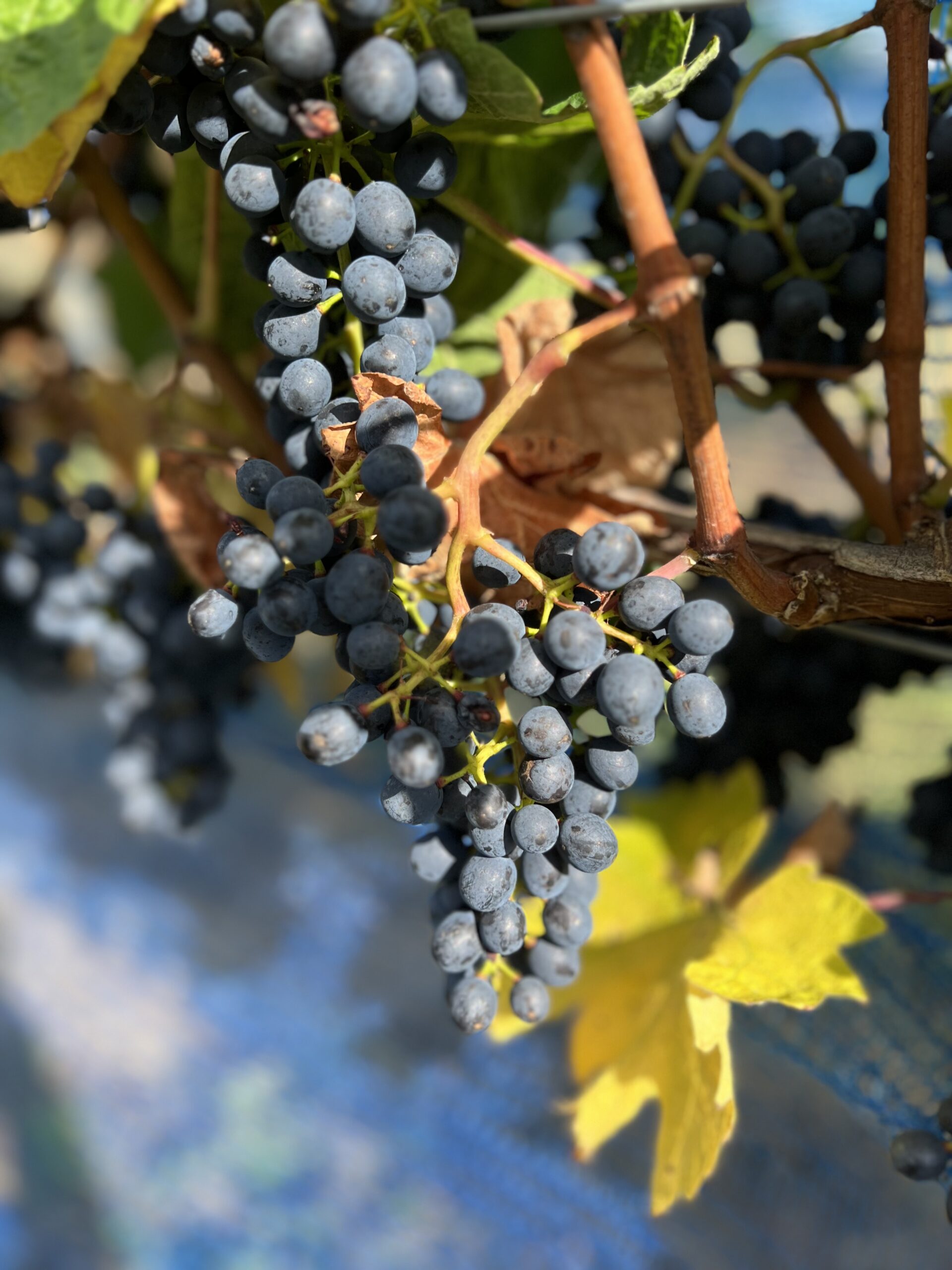
What are PIWIs and why are they important for the future of English & Welsh wine?
Disease-resistant grape varieties are becoming an increasingly interesting part of the UK wine story as growers look for ways to work with a changing climate while reducing disease pressure
For the past few decades, UK wine has largely been built around a familiar cast of grape varieties: Chardonnay, Pinot Noir and Pinot Meunier, as well as Bacchus and other Germanic varieties. However, if you look a little more closely at the vines being planted across the country you’ll find a rather more eclectic picture.
Among them are PIWIs – grape varieties bred specifically to have resistance or tolerance to fungal diseases. And while they remain a relatively small part of the UK vineyard scene – around 8% of total plantings – their importance is growing.
What does PIWI actually mean?
The word PIWI comes from the German Pilzwiderstandsfähig, meaning fungus-resistant. They are created by crossing European grape varieties with American or other disease-resistant grape cultivars, bringing together the wine-quality characteristics of Vitis vinifera with greater resistance or tolerance to fungal diseases, such as downy and powdery mildew.
That distinction is important. PIWI does not simply mean “disease-proof”, and it isn’t a guarantee that a vineyard can abandon crop protection altogether. Resistance varies between varieties and conditions, and growers still have to manage their vineyards carefully. But in a cool, damp climate such as Britain’s, where mildew can be a significant challenge, greater tolerance can be invaluable.
Why do PIWIs matter in the UK?
Growing grapes in Britain comes with a particular set of challenges. Our long growing season can provide the conditions needed for fruit to ripen with freshness, but moisture and disease pressure can make vineyard management demanding.
Traditional grape varieties can require substantial protection against fungal diseases, particularly in challenging seasons. PIWIs offer the possibility of reducing that pressure, while improving elements of sustainability.
For example, fewer fungicide applications can potentially mean fewer passes through the vineyard, which can reduce fuel use, labour and soil compaction. It can also provide growers with another way to build resilience into their vineyards.
Which PIWIs are planted in the UK?
Here are just some of the PIWIs that continue to grow in popularity across England and Wales:
Seyval Blanc
PIWI’s are not necessarily new arrivals to the UK, some have been part of British viticulture for generations.
One of the country’s most established hybrid varieties, Seyval Blanc has been grown in Britain for decades and remains particularly important in cooler-climate vineyards.
WineGB’s latest published 2024 planting figures put Seyval Blanc at 122.71 hectares, making it the fifth most planted grape variety in Great Britain.
Solaris
Solaris has become one of the more significant newer disease-resistant plantings, with 117.07 hectares recorded in 2024. The variety is valued for early ripening as well as disease resistance.
Sauvignac
A white Sauvignon Blanc and Riesling hybrid with aromatic, citrus, elderflower, and grassy notes to match.
Muscaris
Designed to provide the resilience of Solaris with the aromatic notes of Muscat. It creates aromatic still or sparkling whites with notes of orange blossom, nutmeg and citrus.
Rondo
Another established hybrid variety, Rondo is particularly associated with red and rosé production in cooler climates and was recorded at 64.23 hectares in the UK 2024.
Regent
Regent is another disease-resistant red grape grown in Britain, although on a much smaller scale than Seyval Blanc, Solaris or Rondo. The 2024 planting figures record 32.42 hectares.
Divico, Cabernet Jura & Cabaret Noir
All red PIWI varieties with good tannin potential. These are much more recent and interesting examples of where the UK’s planting story could be heading.
Wines made from varieties including Divico and Cabernet Jura were among those gaining attention at the 2026 WineGB Awards.
It’s not just about sustainability
It could be easy to categorise PIWIs purely as an environmental story but a grape variety ultimately must make good wine. For a producer, disease resistance is useful, but it needs to be balanced with flavour, acidity, structure, ripening potential and consumer appeal.
That’s why the most interesting PIWI conversation is no longer simply “can we grow this?” but “what can we make from it?”.
PIWIs may also enable growers to experiment with sites that would be more challenging for conventional Vitis vinifera varieties. For an industry that has already demonstrated its willingness to experiment, that could be particularly important.
Taste the PIWI story
Come and try the increasingly diverse range of PIWIs being grown in the UK for yourself on the dedicated PIWI table at the 2026 National Press & Trade Tasting on 7th September 2026.
Bringing together still and sparkling wines made from PIWI varieties, including both single-variety wines and blends the themed tasting table will provide a chance for trade and press to taste these wines side by side and consider where the category is heading.