6 Steps For The One Block Challenge – How To Trial Regenerative Viticulture
Becky Sykes
Programme Director
Regenerative viticulture
Heard of regenerative farming but don’t know what it means? Or, more importantly, what it could mean in your vineyard?
You are not alone!
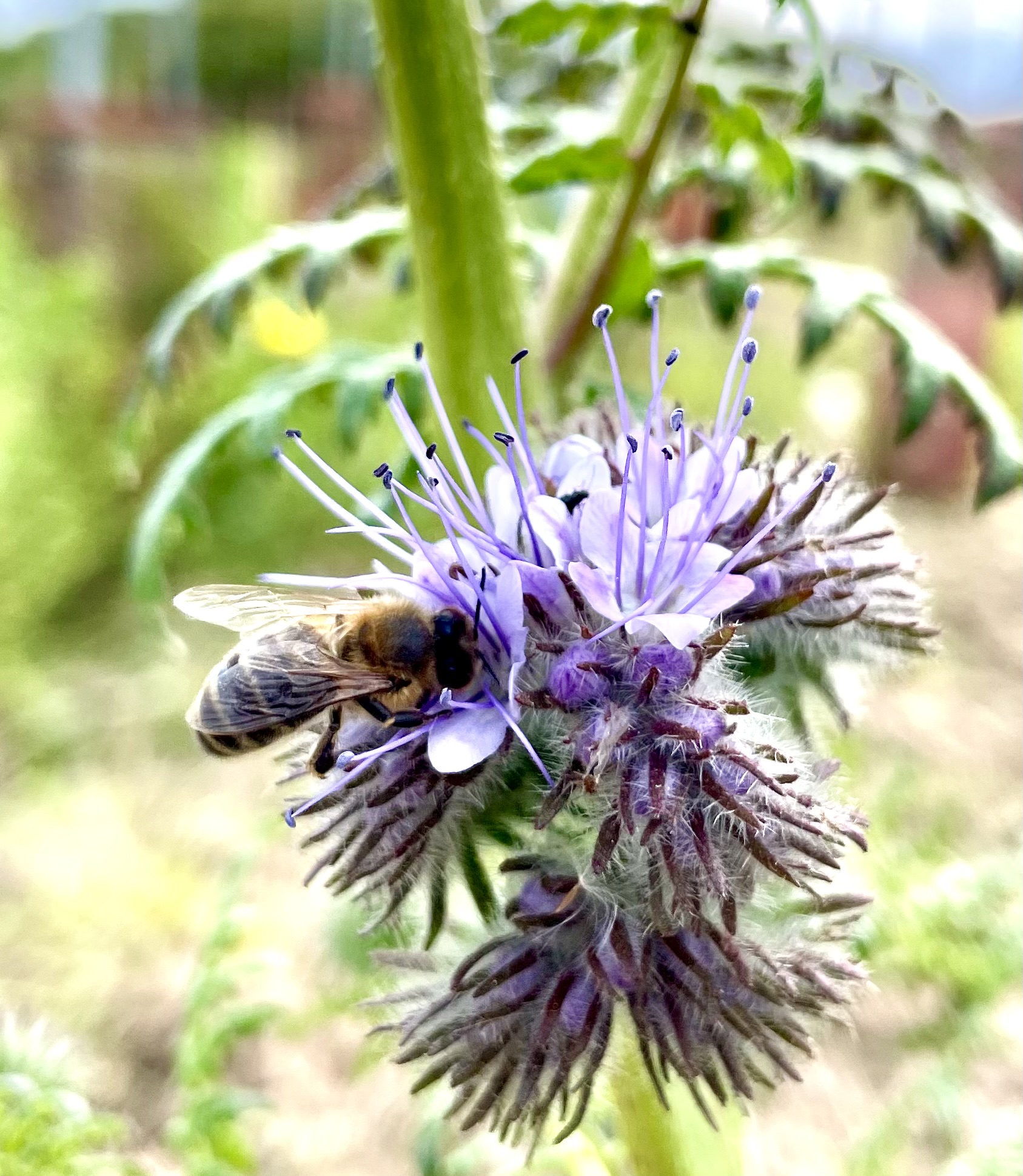
Regenerative is a real buzzword at the moment with lots of instagram photos of happy smiley people with sheep and bees in their vineyards.
But what does it really mean?
Here are just a few of the questions we’ve heard asked?
- How is it different from conventional viticulture, organic and biodynamic?
- Do you get a drop in yield if you try it?
- How do you get started?
- Don’t the sheep just destroy the vines?
- Are UK growers already doing regen with year round ground cover and trees as windbreaks?
One Block at a time
Knowing just what a confusing space this can feel like, the Regenerative Viticulture Foundation (RVF) has come up with a brilliant plan to help you try out regen without betting the farm on the outcome. It’s called the One Block Challenge™ and they launched this at the Regenerative Viticulture Foundation workshop held at the Grange Vineyard & Winery on 14 August 2025.
It is a simple concept.
1.
Bring together a group of growers who are interested to find out what the impact of regen practices would be on their vineyards
2.
Each grower chooses a block of vines that they would like to dedicate to the challenge for a year (could be as small as a couple of rows)
3.
A workshop is held at which growers:
- Learn a few basic soil health assessments from Vinescapes (penetrometer test, water infiltration test, earthworm count, soil macrobiodiversity count)
- Choose which practices they want to try from a menu of practices (e.g. cover crops, composting, stopping herbicide undervine)
- Join a whatsapp group so that they can ask questions, share equipment, source cover crop seeds, arrange to visit each other, etc
4.
Growers then:
- Conduct the soil health assessments to give a baseline of what their block is like before starting
- Start to implement the regenerative practices they have chosen
- Record any changes they see between the challenge block and the rest of their vineyard (or a dedicated control block if suitable)
5.
A field day is held every couple of months at a different participating vineyard and growers can come along, ask questions, share experiences
6.
At the end of the year:
- The same soil health assessments are done in similar conditions to see what has changed
- Growers come together and share their experiences – what worked well, what didn’t work so well, what was easy, what was harder
- If possible do a microvinification to see what the effect is on the wine… after all, it’s all about the wine
- Decide what to do next: maybe that is to extend the trial to more of the vineyard or try more or different practices.
About the Author
Becky Sykes is the Regenerative Viticulture Foundation’s Programme Director, responsible for Research, Education and Engagement. Her role is to develop the resources and community network needed to support and connect producers, wherever they are on their regenerative journey. She also manages research projects and engages wine educators to spread both awareness and understanding of the benefits of regenerative viticulture.
Becky has a passion for regenerative viticulture, sparked during her MSc in Viticulture & Oenology. She uses the stakeholder engagement expertise gained in her previous career as a Public Affairs PR consultant to forward the foundation’s aims. She also rather randomly has a degree in Aerospace Engineering.

We are pretty lucky to have the RVF based in the UK. It’s a global charity but, because they’re here, we get to see things in person that other parts of the world can only read about. Click through to learn more.