Behind the Scenes at the 2026 WineGB Wine Awards judging
Our expert panel of judges gathered at WSET London this week to taste through 372 wines from across the UK.
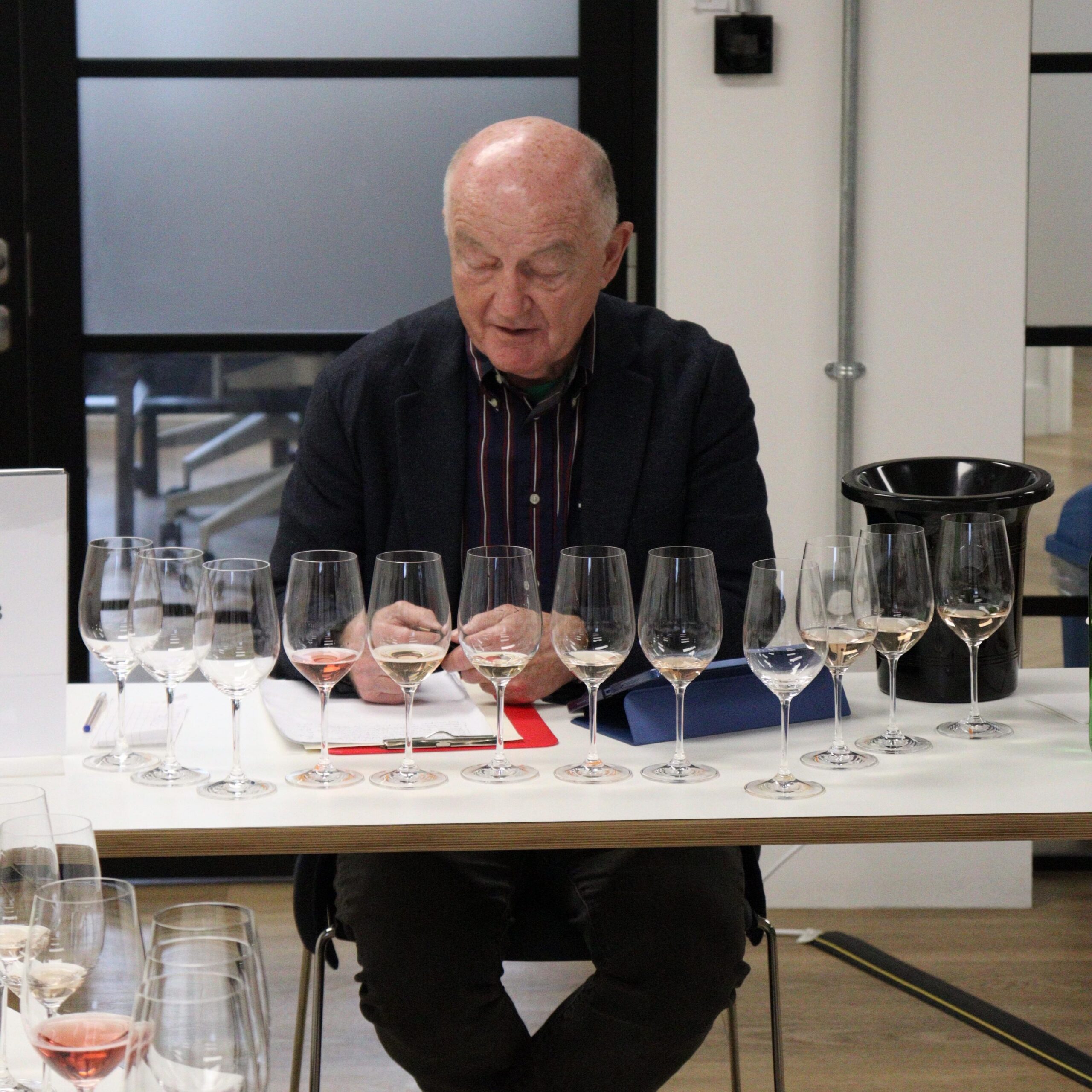
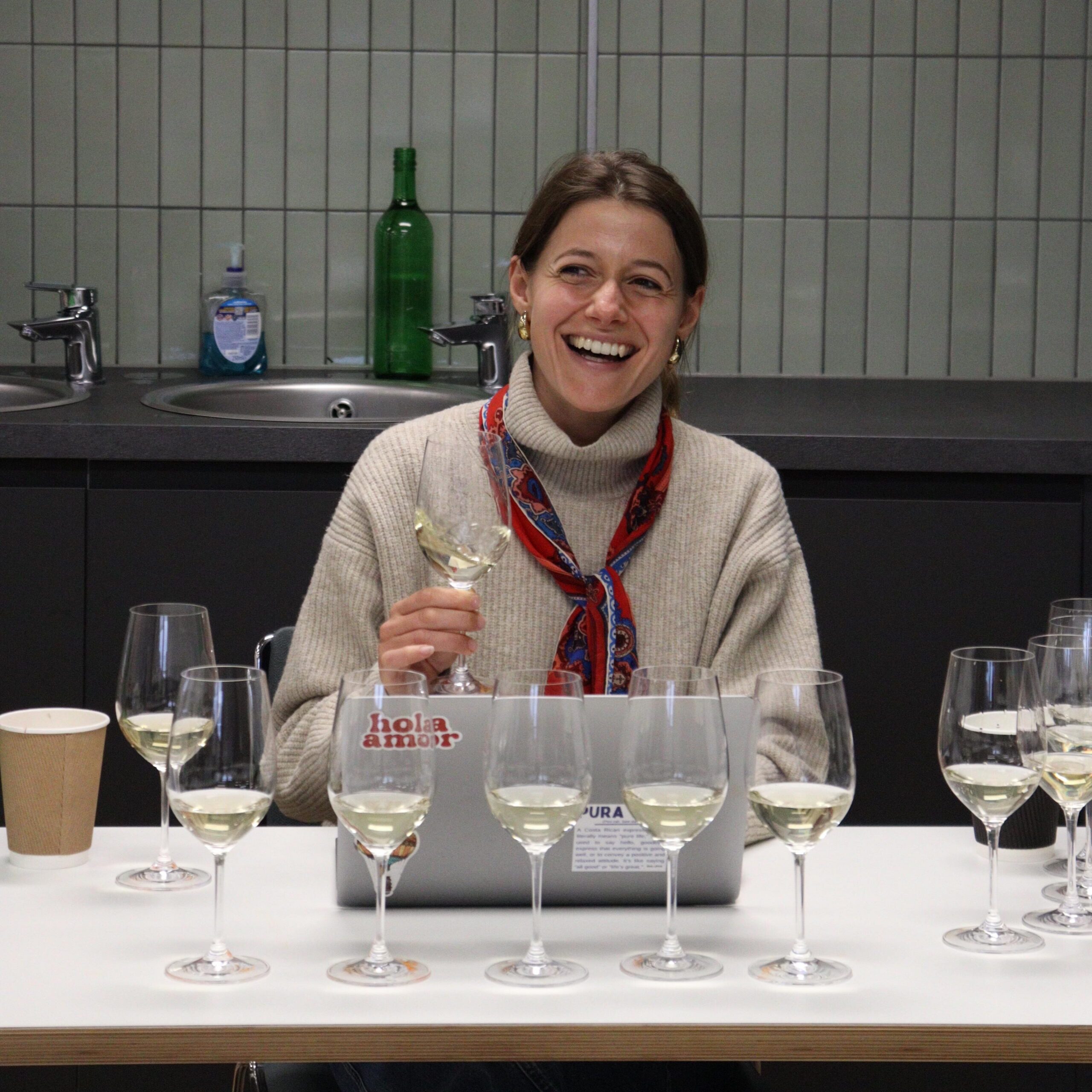
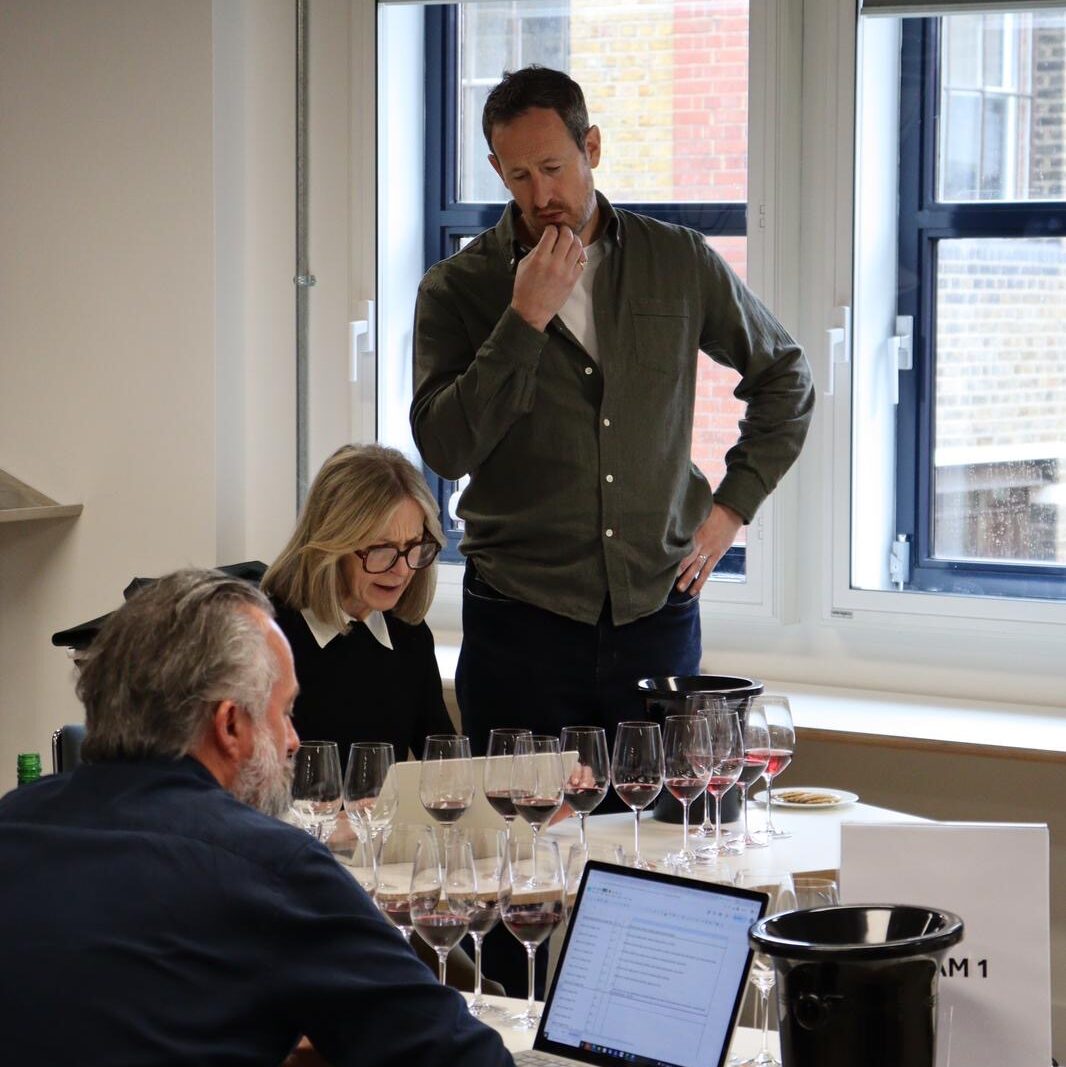
This year’s WineGB Awards judging took place over four days at WSET School London on Bermondsey Street, bringing together some of the UK’s most respected wine experts to assess 372 wines from producers across England and Wales.
From sparkling classics to emerging grape varieties, the judging offered a fascinating snapshot of a wine industry that continues to evolve, innovate and impress.
But before the judges – led by chairs Susie Barrie MW and Peter Richards MW, who have been judging the awards for a decade – even begin to swirl a glass of wine, behind the scenes, a dedicated team ensures everything runs seamlessly.
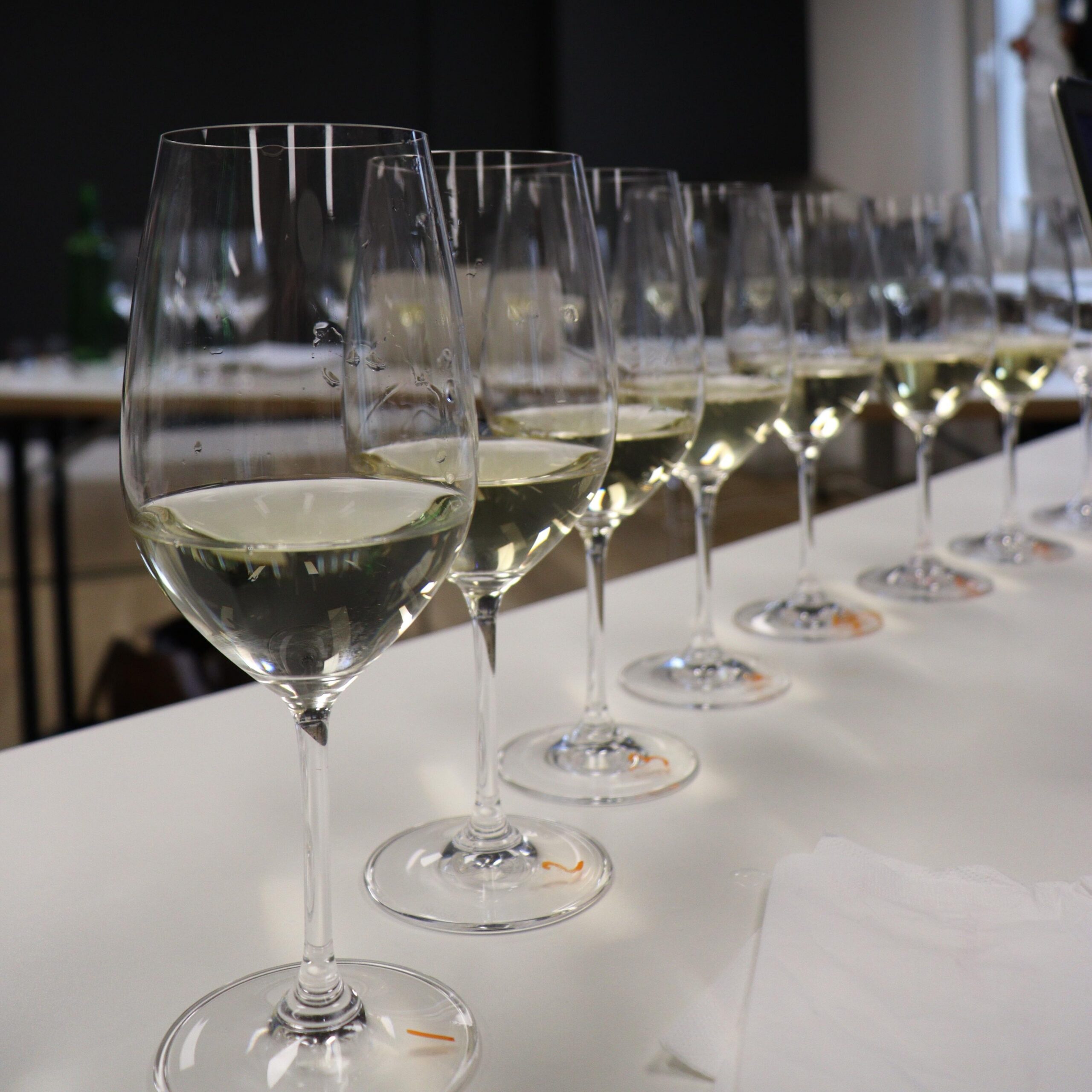
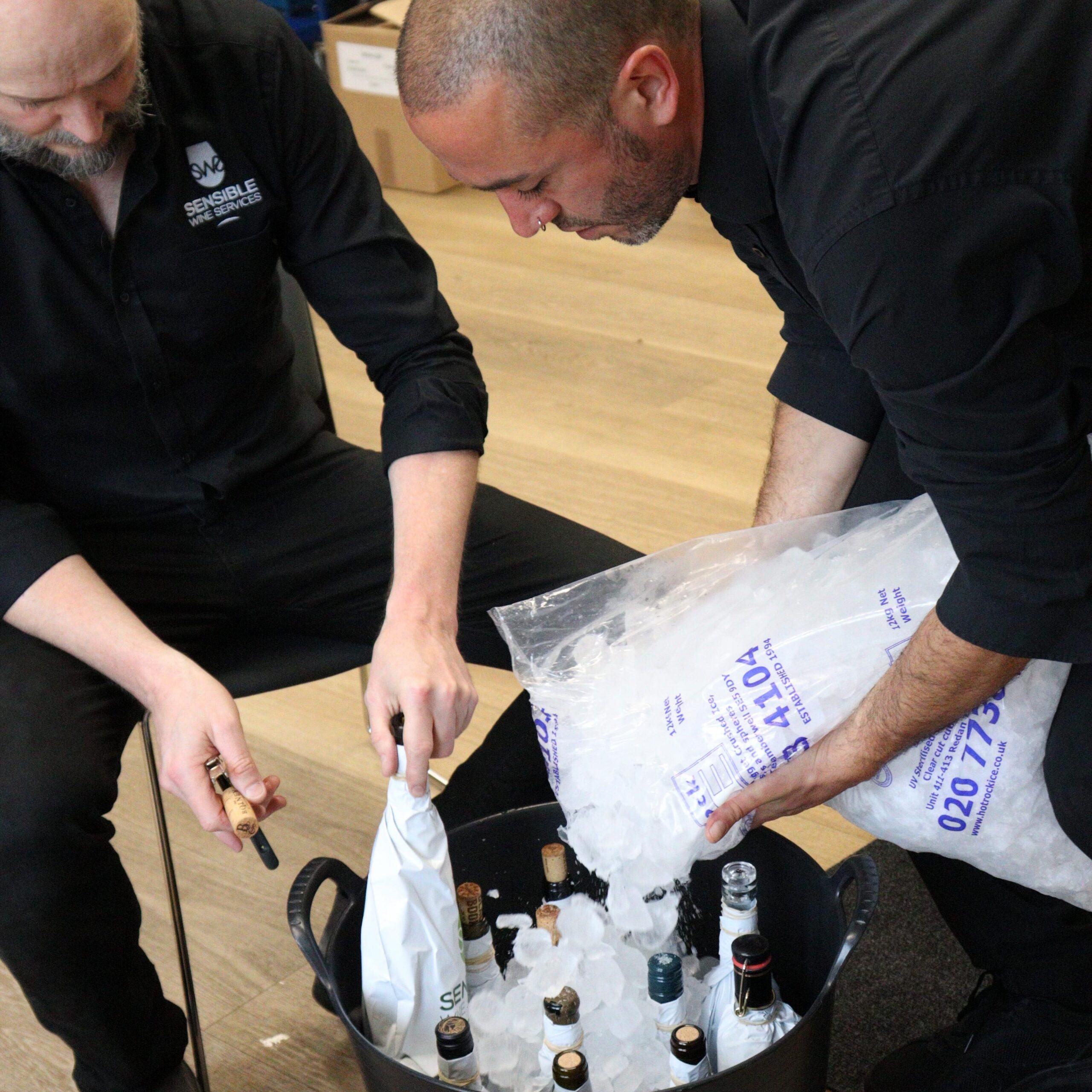
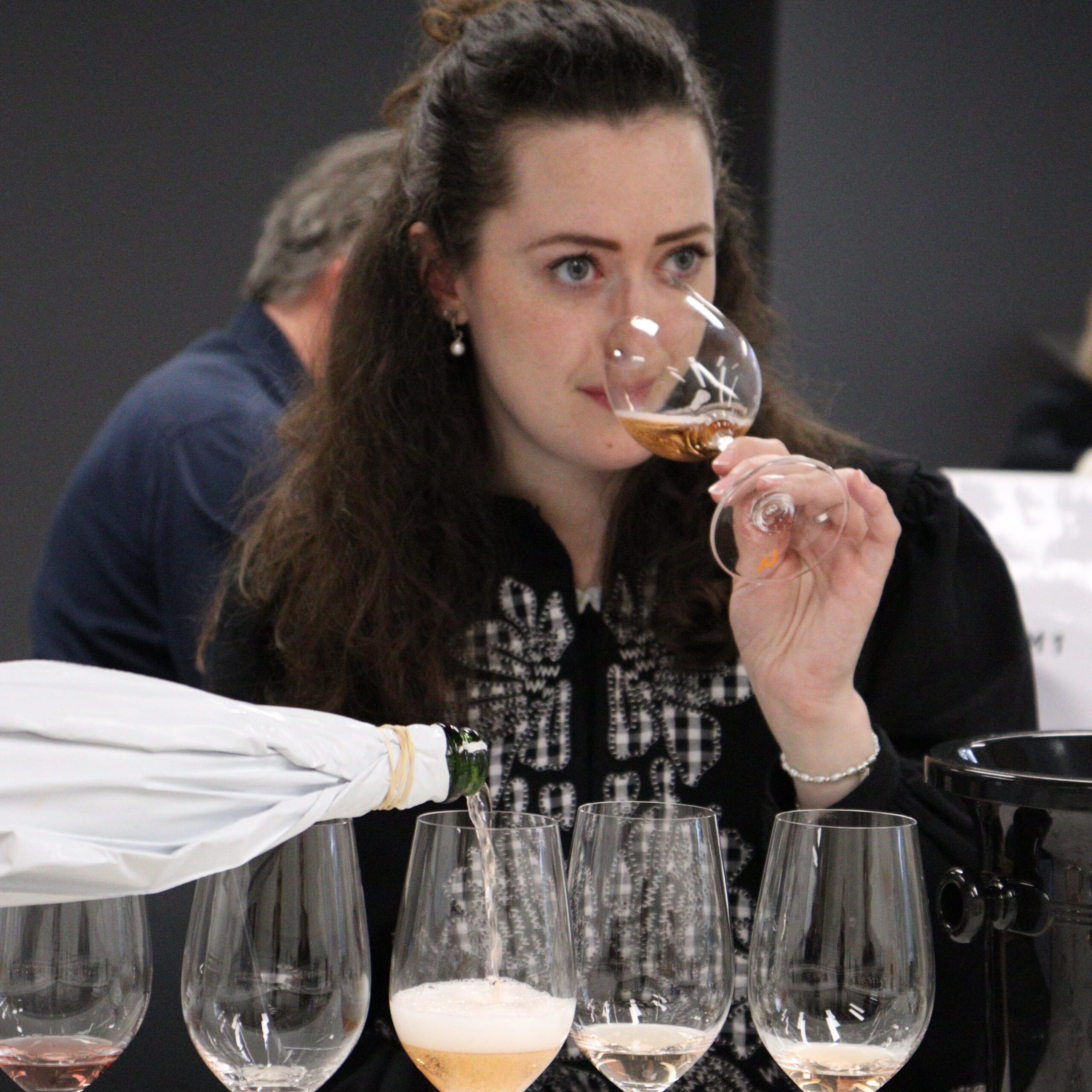
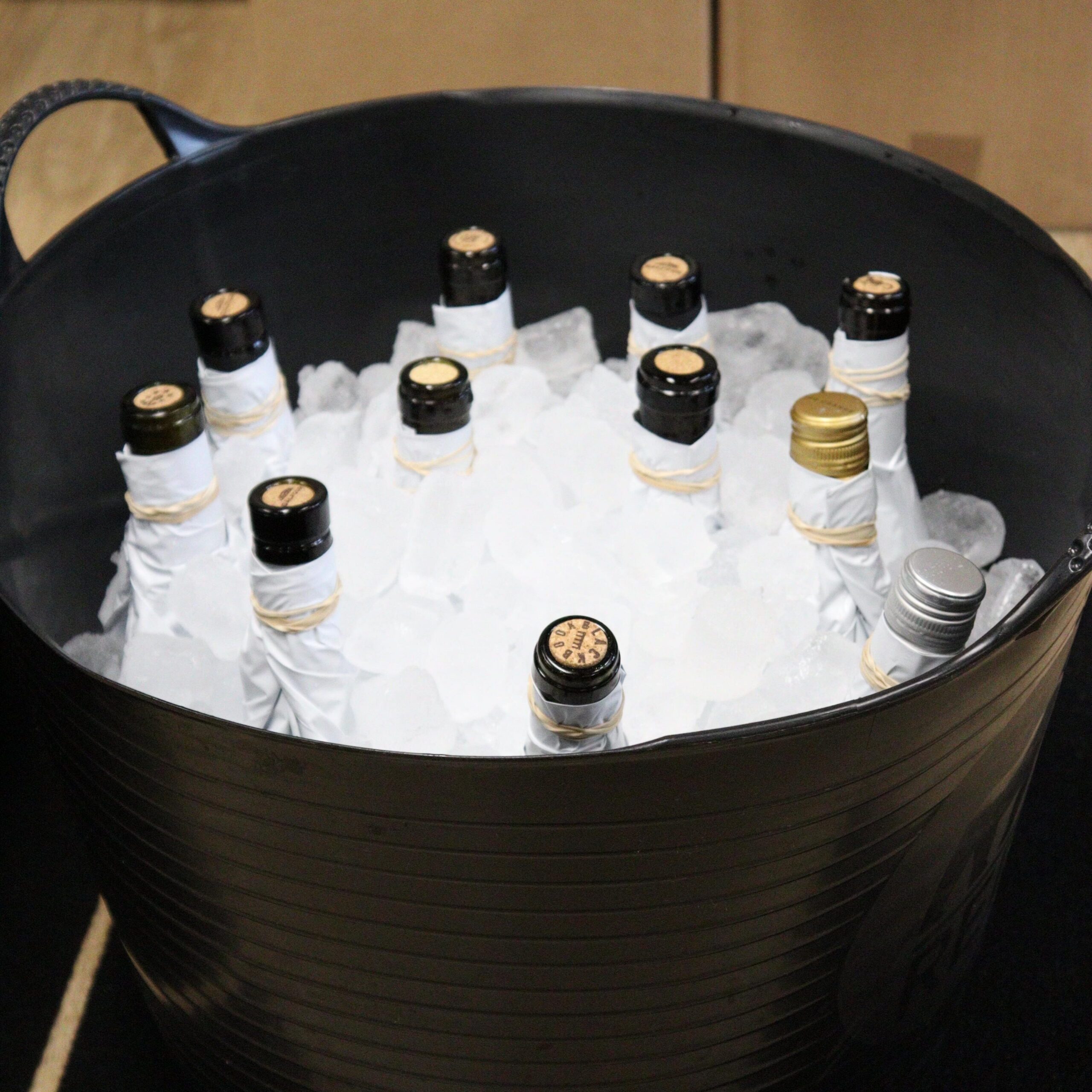
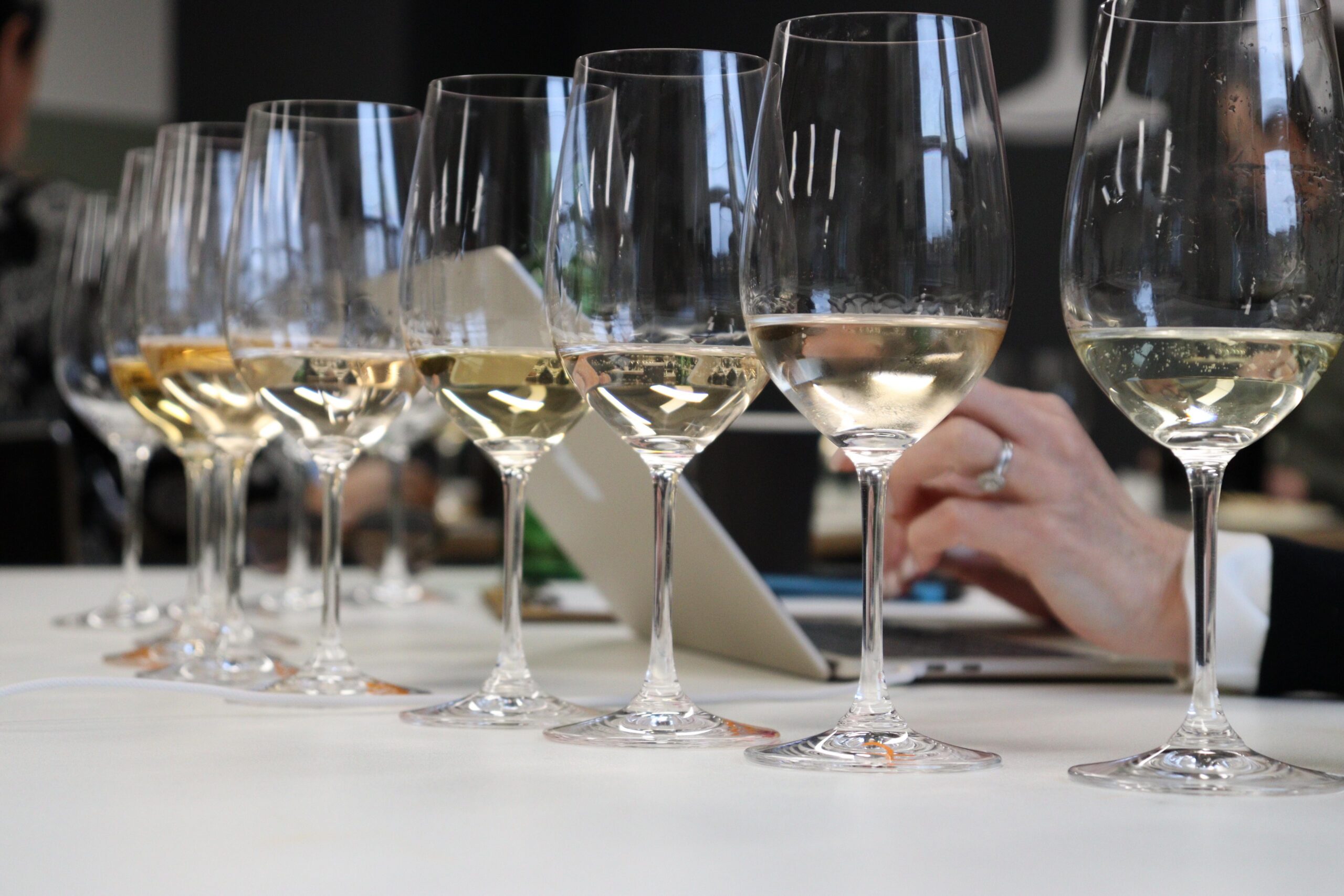
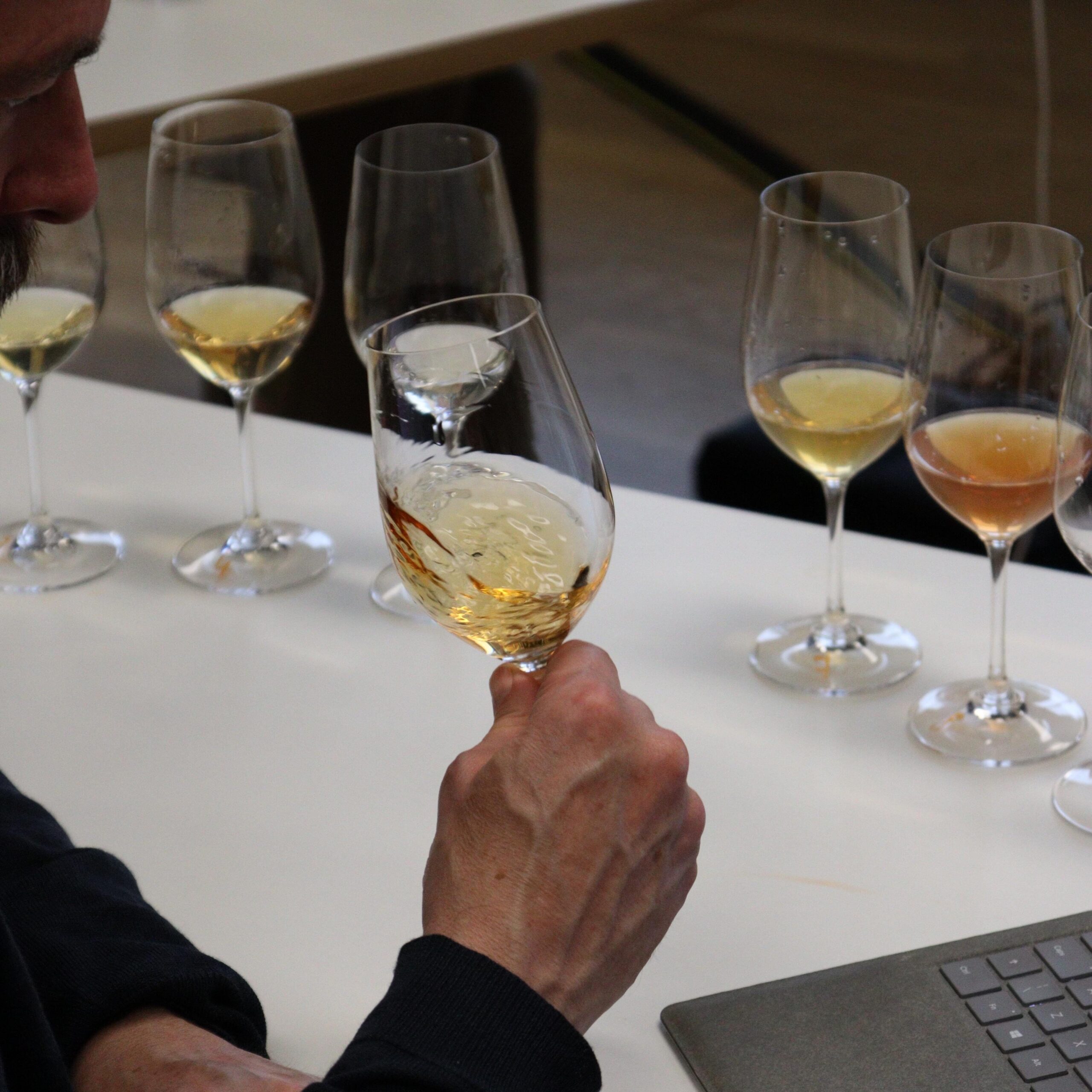
The team at Sensible Wines are responsible for collecting the bottle samples and ensuring they match the entry form, before putting the flights together based on styles by ABV, residual sugar and vintage. This year’s operation required approximately 800 glasses and 300 kilos of ice to ensure wines were served in optimum condition. Every bottle is carefully prepared, poured and presented anonymously, allowing judges to focus solely on what is in the glass.
“On average there are 5 to 6 flights judged per day with anything between 50 and 90 wines tasted throughout the day,” says Sensible Wines Competition Manager Chris Porter. “We do so many competitions and see all sorts and this competition is incredibly thorough and if you look at the panels, they are all highly skilled – MWs, buyers, sommeliers – all with different points of view to bring to the table.”
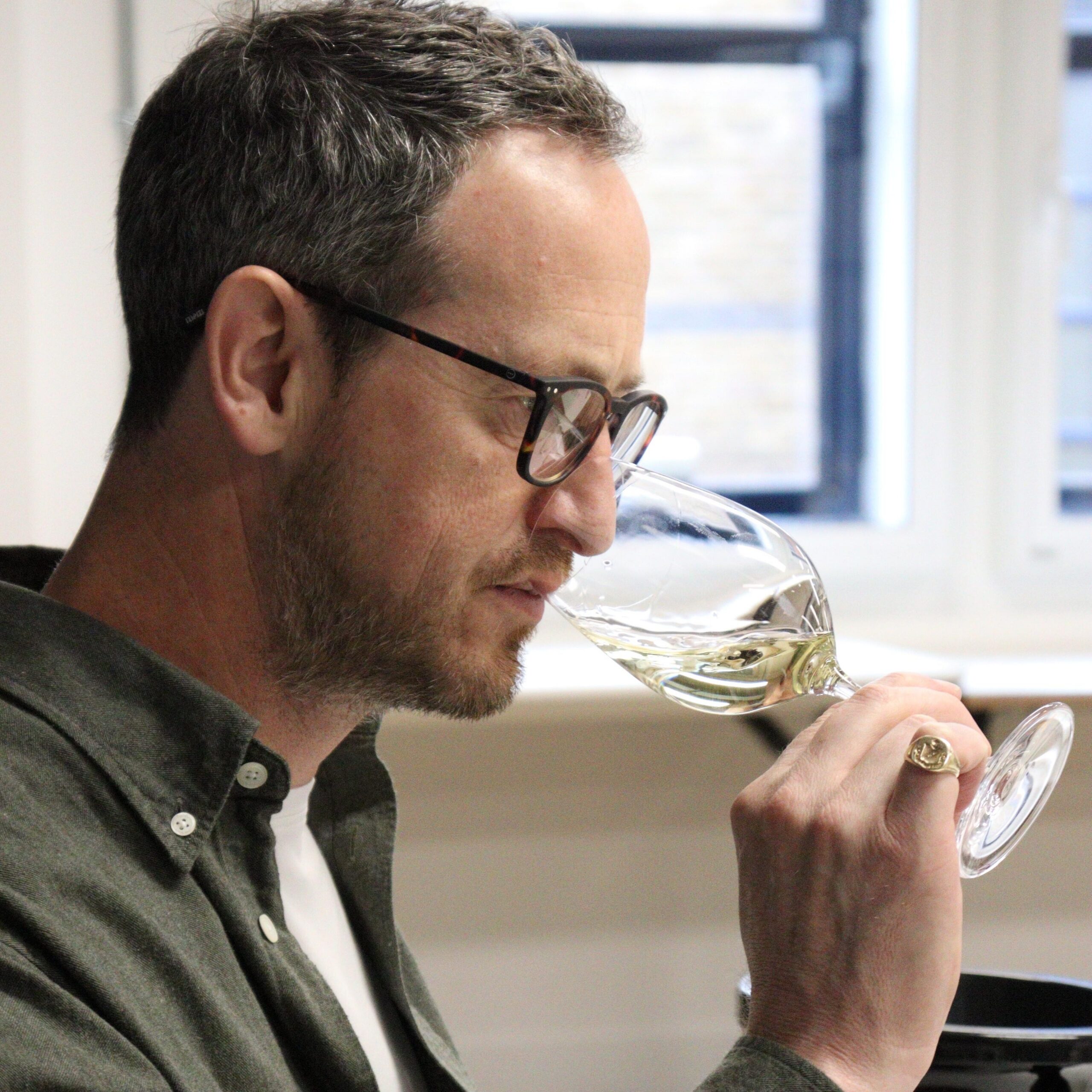
Judging 372 wines is no small undertaking. The first couple of days are spent tasting through all the wines and giving scores to determine Bronze, Silver and Gold medals winners. Over the next few days high scorers in each medal bracket are tasted again to see if they deserve a higher medal, before all the golds are tasted again by the chairs to determine the trophy winners.

A celebration of diversity
While English and Welsh sparkling wines continue to set international benchmarks, one of the most striking themes emerging from this year’s judging was the diversity of styles now being produced across the UK.
Judges encountered examples of Sauvignon Blanc and Riesling, alongside Divico and Cabernet Jura – disease-resistant grape varieties that are increasingly attracting attention among growers and winemakers.
The breadth of styles on show reflects a maturing industry that is becoming more confident in exploring new varieties and expressions alongside its established strengths.
“If I was going to pick up on one thing that is really palpable and obvious from this year’s judging, it’s that the diversity of the wines on show is just growing exponentially. That’s really exciting because that talks to producers being ambitious. It talks to consumers, wine drinkers being prepared to find and buy and enjoy an increasing range of wines,” Co-chair Peter Richards MW observed. “I think that 10, 20 years ago, what people expected of English wine was one thing. It was one place. I think now it’s a whole panoply of possibilities.”
“What’s always so exciting is how innovative the English wine scene can be because there are very few rules and regulations that you might have in traditional wine producing regions,” adds Co-Chair Susie Barrie MW. “This year we’ve tasted rosé made from Gamay, skin contact Bacchus, while in the past we’ve had sparkling reds made from all sorts of grape varieties and it’s those bits of innovation that people can bring into their winemaking that make the whole thing all the more interesting and exciting.”
Bacchus, Chardonnay and triumph over a challenging vintage
Among the still wine categories, Bacchus, often described as Britain’s signature aromatic white grape, also delivered another strong performance, showcasing the freshness, character and individuality that have helped establish its reputation.
Meanwhile Chardonnay once again demonstrated why it has become one of the UK’s most exciting grape varieties. Whether crafted in a crisp, unoaked style or with greater texture and complexity, the quality and consistency of Chardonnay entries impressed judges throughout the competition.
These wines continue to demonstrate that England and Wales can produce world-class still wines alongside their celebrated sparkling counterparts and even in difficult years such as the 2024 vintage. Widely regarded as one of the more challenging growing seasons in recent years, 2024 tested vineyard teams with difficult weather conditions and required careful decision-making throughout the growing season.
WineGB judge and mentor Oz Clarke commented: “The 2024 vintage wasn’t easy but I must say I have come across some startlingly good Chardonnays, not just from the typical areas, the Essex’s or the Kent’s, but from places like Berkshire and Wiltshire – right the way across the country. If we can actually make really tremendous wines in a year like 2024, we are really maturing as a wine nation. And the sky is the limit.”
A rosy future?
As consumer demand for premium pink wines continues to grow globally, producers in England and Wales are finding their own distinctive voice within the category. The judging highlighted not only the quality being achieved in certain areas but also the commercial opportunity that rosé represents for producers looking to engage new consumers and broaden their portfolios.
“Rosé is a great opportunity for the UK and we need to tune into that as a proper category not as an oversight,” says Panel Judge Luke Harbor. “It’s such a growing market and the people who are drinking Provence rosé are exactly the people who should be drinking English rosé – we need to pay more attention to the category.”
From the continued success of sparkling wine to the emergence of new grape varieties, the strength of Chardonnay and Bacchus, and the resilience shown in a challenging vintage, this year’s judging revealed an industry full of confidence and creativity.
Look out for the medal announcements later this month.