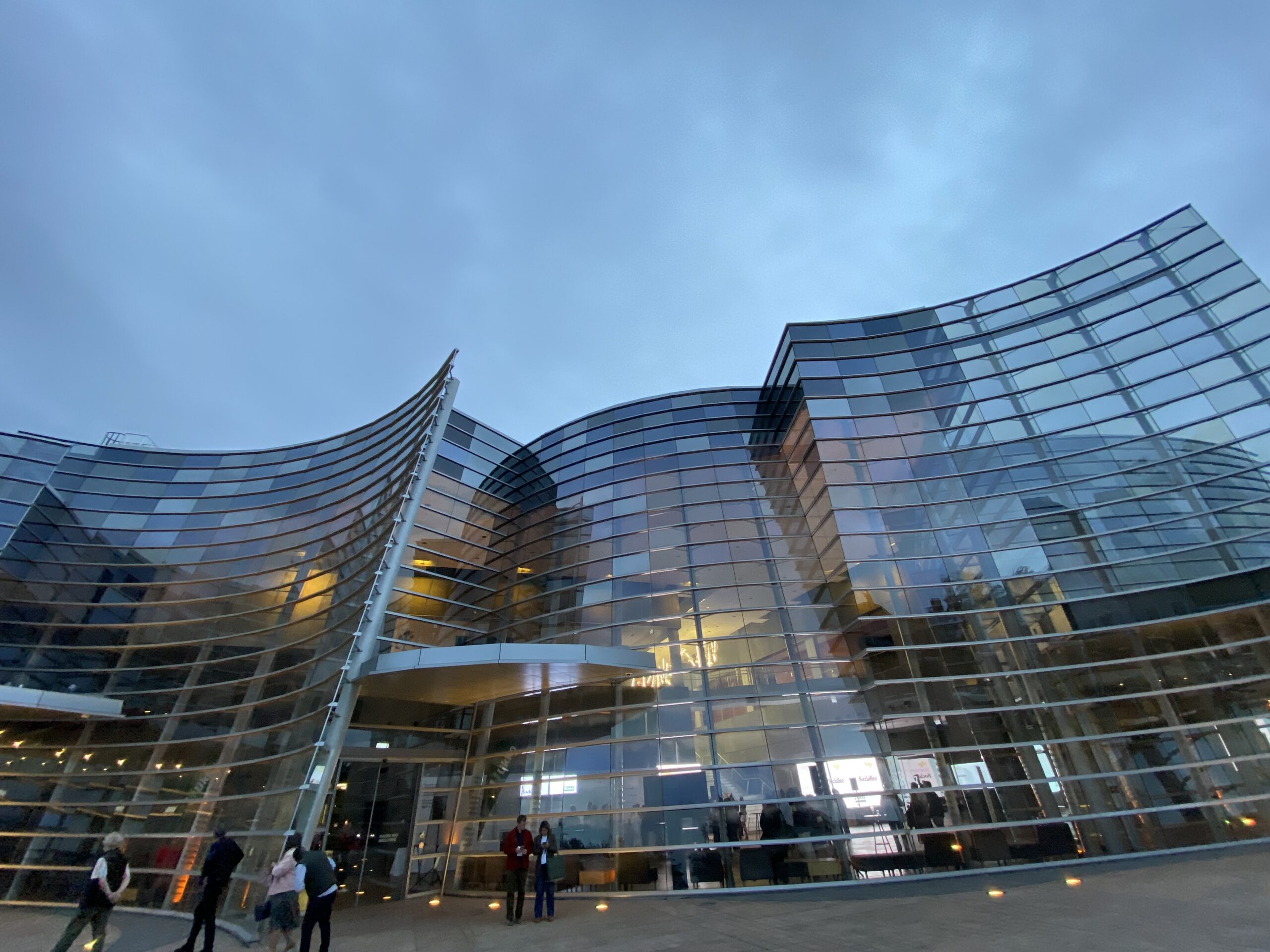
New Zealand Wine – A global Success Story
3 viticultural takeaways from the 2016 ICCWS
by Matt Strugnell, Chair Viticulture Group
New Zealand is truly a “New World” producer. The story of New Zealand Wine is an extraordinary one. In the past 50 years it has grown from an industry heavily reliant on Muller-Thurgau, to a global wine superpower. The planted area currently exceeds 42,000 hectares.
Ninety percent of New Zealand’s wine is exported and, despite recent dips in export sales, the overriding mood is one of optimism and the ability to adapt to change.
1. Sustainability

Sustainable Winegrowing New Zealand has been in existence for over 30 years. It is viewed as the most successful sustainable wine schemes on the planet and, 98% of New Zealand’s viticultural area is certified. In fact, it has almost become a licence to sell fruit to wineries – many won’t accept non-certified fruit.
Andree Piddington, Head of Sustainability at Yealands in Marlborough described their approach to sustainability. The main focus has been reducing emissions; 30% reduction in Scope 1 and 2 emissions and a 12% reduction in scope 3. This funded by moving away from buying expensive carbon credits to a model of carbon reduction. Investment in technology such as using baled vine prunings to supply hot water and investing in robotics in the vineyard to reduce use of fossil fuels. To reflect their efforts, Yealands is now a Gold Member of International Wineries for Climate Action.
Annual submission of reports – greenhouse gas emissions and spray diaries – alongside annual questionnaires allow regular benchmarking. GHG is measured to the ISO 140 64 standard. In addition, annual spray diaries are submitted and scheme members are independently audited every three years.
2.Innovation and Technology

Innovation is the heartbeat of this success. At the ICCWS, the shift toward autonomous viticulture was a dominant theme. Brock Campbell (Cloudy Bay) and Dr. Oliver Batchelor (University of Canterbury) showcased the “Oxin” and “Burro” platforms—robotic units capable of 14-hour uninterrupted workdays. These machines have already clocked over 2,000 hours without fault, moving beyond prototypes into essential vineyard infrastructure. Whilst they perform many vineyard tasks; mowing, spraying, leaf removal etc, they collect data.
Another technology available to growers is “Cropvision.” By using high-definition imaging to analyse individual shoots and bunches, technology is enabling a level of precision that was previously impossible at scale. Utilising data and robotics to ensure that even in a marginal climate, the vineyard is a high-performance machine rather than a passenger to the weather.
3. Resilience

Jenifer Cugat, from the Catena Institute in Argentina, gave a talk about their work on vintage resilience, focusing on the “Transformability” of a vineyard. Her research suggests that a vine’s ability to adapt is dictated by the microbial life at its roots and the genetic diversity within the block.
Cugat’s call to return to Massale selection was an interesting point for site-specific adaptation. By selecting wood for replanting from the “survivors” within a specific block. Those vines that have shown positive traits regarding resilience could be selected by growers to build a population that is genetically predisposed to thrive.
This move away from rigid clonal monocultures allows for a shift from “surviving” the weather to actively shaping the vine’s response.